Introduction
Heavy equipment operations often involve extremely high loads concentrated through stabilizers, outriggers, or support legs. Without proper ground support, machines can sink, become unstable, damage working surfaces, or create serious safety risks.
Heavy equipment outrigger pads provide a reliable solution by distributing machine loads over a larger surface area, improving stability and reducing ground pressure during lifting and support operations.
From mobile cranes and aerial lifts to drilling rigs, utility trucks, and construction machinery, heavy equipment outrigger pads have become an essential safety accessory for modern industrial applications.
This guide explains what heavy equipment outrigger pads are, how they work, how to select the right type, and why composite materials are becoming the preferred choice for demanding job sites.
What Are Heavy Equipment Outrigger Pads?
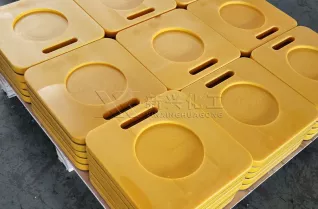
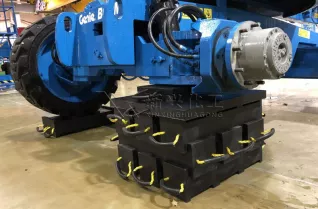
Heavy equipment outrigger pads are durable support platforms placed underneath equipment outriggers or stabilizer legs to create a stronger and more stable foundation.
When heavy machinery operates, the weight is transferred through small contact points. On soft soil, gravel, asphalt, or uneven terrain, this concentrated pressure can cause:
Equipment sinking
Ground deformation
Machine instability
Surface damage
Increased accident risks
Outrigger pads increase the contact area between the equipment and the ground, helping distribute the load more evenly.
They are commonly used with:
Why Are Heavy Equipment Outrigger Pads Important?
1. Improve Equipment Stability
The primary purpose of heavy equipment outrigger pads is to improve operational stability.
During lifting or extended-reach operations, equipment generates significant forces through its outriggers. A properly sized outrigger pad creates a stable foundation that helps prevent shifting and uneven loading.
This is especially important for:
2. Reduce Ground Pressure
Heavy equipment can generate thousands of pounds of force through individual outriggers.
Without proper support, the ground may not be strong enough to handle concentrated loads.
Outrigger pads help by:
This makes them essential for operations on:
3. Protect Expensive Equipment and Surfaces
Ground failure can lead to equipment instability and costly downtime.
Heavy equipment outrigger pads help protect:
Construction sites
Roads
Parking areas
Concrete surfaces
Landscaping areas
By creating a stable working platform, they reduce unnecessary damage and improve jobsite efficiency.
How to Choose Heavy Equipment Outrigger Pads?
Selecting the correct outrigger pads requires evaluating several key factors.
1. Determine Equipment Load Requirements
The most important factor is the maximum load applied to the outriggers.
Consider:
Equipment weight
Maximum lifting capacity
Outrigger reaction force
Operating configuration
Safety requirements
A heavier machine requires stronger pads with greater load-bearing capability.
2. Select the Correct Pad Size
The size of heavy equipment outrigger pads directly affects ground pressure distribution.
Larger pads provide:
However, the pad size should match actual operating requirements to avoid unnecessary weight and handling difficulty.
Factors affecting pad size include:
Machine type
Ground conditions
Maximum outrigger load
Available working space
3. Choose Proper Thickness
Thickness determines how well the pad performs under heavy loads.
Thicker pads offer:
For heavy-duty applications, manufacturers typically recommend thicker composite pads designed for repeated loading cycles.
4. Consider Material Performance
The material of the outrigger pad directly affects durability, weight, and handling.
Common options include:
HDPE
UHMWPE
Composite materials
Wood
Steel
Modern heavy equipment operators increasingly prefer engineered plastic and composite materials due to their balance of strength, durability, and portability.
Heavy Equipment Outrigger Pads Material Comparison
| Material | Advantages | Limitations |
|---|
| HDPE | Lightweight, corrosion resistant, durable | Requires proper thickness selection |
| UHMWPE | Excellent wear resistance, high durability | Higher material cost |
| Wood | Low initial cost | Can crack, absorb moisture, limited lifespan |
| Steel | Extremely strong | Heavy, difficult to transport, corrosion risk |
For mobile operations, composite outrigger pads are often more practical than traditional steel or wooden alternatives.
Applications of Heavy Equipment Outrigger Pads
Mobile Crane Operations
Mobile cranes frequently move between different construction sites and require portable yet durable ground support solutions.
Heavy equipment outrigger pads help improve:
Setup speed
Crane stability
Operator safety
Construction Equipment
Construction contractors use outrigger pads for:
Material lifting
Building installation
Structural assembly
Equipment positioning
They are especially useful on temporary job sites where ground conditions change frequently.
Aerial Work Platforms
Bucket trucks and aerial lifts rely on stable outriggers to safely support elevated operations.
Applications include:
Industrial Maintenance Projects
Industrial facilities often require heavy lifting equipment for:
Machinery replacement
Equipment installation
Plant maintenance
Outrigger pads provide additional stability in complex industrial environments.
Benefits of Composite Heavy Equipment Outrigger Pads
Composite outrigger pads have become increasingly popular because they provide several advantages compared with traditional materials.
Lightweight Design
Composite pads are easier to:
Carry
Install
Transport
Store
This improves efficiency for crews working across multiple locations.
High Load Capacity
Despite their lightweight structure, quality composite pads can support significant loads.
They provide:
Weather and Chemical Resistance
Unlike wood, composite materials resist:
Water absorption
Rotting
Corrosion
Many chemicals
This makes them suitable for outdoor industrial environments.
Long Service Life
Heavy equipment outrigger pads are designed for repeated use.
High-quality materials help reduce:
Replacement frequency
Maintenance costs
Equipment downtime
Custom Heavy Equipment Outrigger Pads for Different Applications
Different industries require different specifications.
Manufacturers can provide customized solutions based on:
Equipment type
Load requirements
Pad dimensions
Thickness requirements
Handle design
Surface texture
Branding requirements
Custom heavy equipment outrigger pads are widely used by:
How to Maintain Heavy Equipment Outrigger Pads?
Proper maintenance helps extend pad service life.
Inspect Before Use
Check for:
Cracks
Excessive wear
Deep scratches
Structural damage
Damaged pads should not be used for heavy lifting operations.
Clean After Operation
Remove:
Dirt
Mud
Oil
Construction materials
Clean surfaces provide better contact between the pad and equipment.
Store Correctly
Recommended storage:
Heavy Equipment Outrigger Pads vs Ground Mats
Although both products provide ground protection, they serve different purposes.
| Outrigger Pads | Ground Mats |
|---|
| Main Function | Support equipment outriggers | Protect large working areas |
| Load Focus | Concentrated loads | Distributed traffic loads |
| Application | Cranes, lifts, stabilizers | Access roads, platforms |
| Size | Smaller support platforms | Large surface coverage |
Choosing the correct product depends on the equipment and operating environment.
Conclusion
Heavy equipment outrigger pads are a critical component for safe and efficient industrial operations. They improve stability, reduce ground pressure, protect surfaces, and help heavy machinery operate safely under demanding conditions.
For construction companies, crane operators, equipment rental businesses, and industrial contractors, selecting the right outrigger pad means considering load capacity, material performance, dimensions, and jobsite requirements.
With advanced composite materials and customizable designs, modern heavy equipment outrigger pads provide a lightweight, durable, and reliable solution for today's heavy lifting and construction challenges.