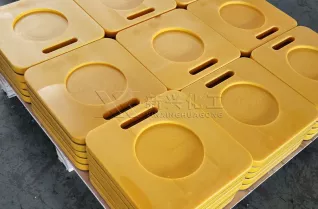
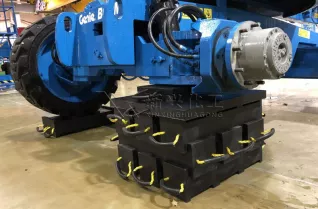
Landscaping and gardening projects often involve heavy equipment, frequent foot traffic, material transportation, and changing ground conditions. Whether installing a new garden, maintaining a public park, building outdoor spaces, or managing a commercial landscape project, protecting the ground surface is essential to avoid soil compaction, turf damage, mud problems, and unnecessary restoration costs.
Temporary ground mats provide a reliable solution by creating a stable working surface while protecting grass, soil, lawns, and landscaped areas. These reusable ground protection mats are widely used by landscape contractors, gardeners, event organizers, utility companies, and construction teams.
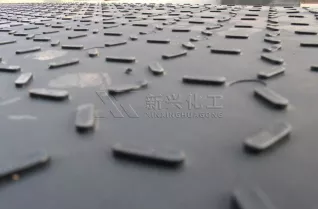
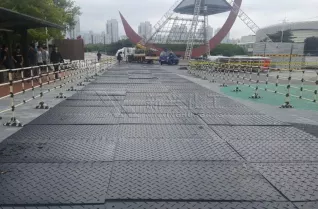
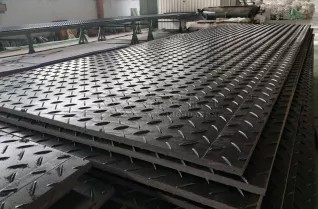
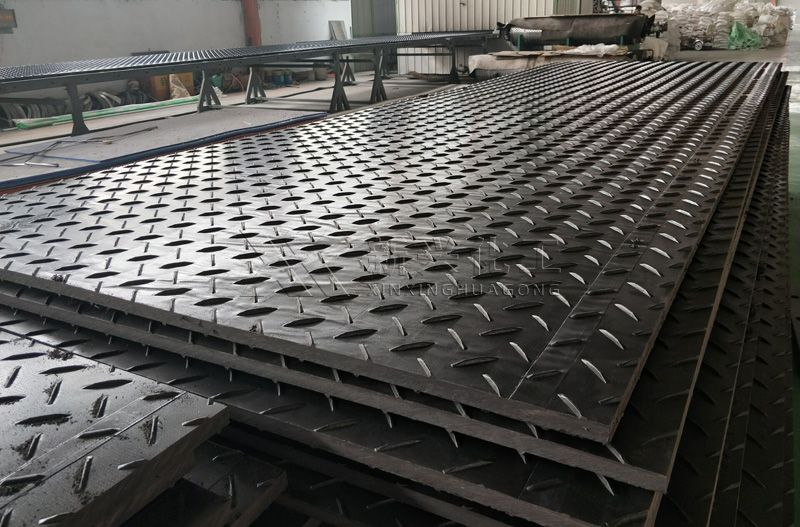
Temporary ground mats are portable panels designed to create temporary access routes and working platforms over soft or sensitive ground surfaces.
They are commonly manufactured from:
· High-density polyethylene (HDPE)
· Recycled plastic materials
· Composite materials
These mats typically feature:
· Anti-slip surfaces for safe walking and equipment movement
· Interlocking systems for quick installation
· Load-bearing structures for vehicles and machinery
· Lightweight designs for easy transportation
Unlike permanent paving solutions, temporary ground mats can be installed, removed, and reused across multiple landscaping projects.
Freshly landscaped areas are vulnerable to damage from:
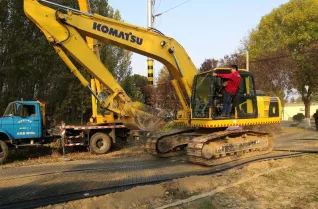
· Excavators and mini loaders
· Wheelbarrows and carts
· Trucks delivering materials
· Workers walking repeatedly across the same area
Heavy traffic can create:
· Soil compaction
· Tire tracks
· Grass damage
· Drainage problems
Temporary ground mats distribute loads across a larger surface area, reducing pressure on the soil and protecting existing landscapes.
Rain and irrigation can quickly turn landscaping areas into muddy surfaces.
Common problems include:
· Equipment getting stuck
· Delayed project schedules
· Damaged lawns and planting areas
· Increased cleanup costs
Ground protection mats create a stable temporary pathway, allowing workers and equipment to continue operating even in soft or muddy conditions.
Applications include:
· Garden construction
· Tree planting projects
· Irrigation installation
· Landscape maintenance
· Outdoor renovation projects
Soil compaction is a major concern in gardening and landscaping because it affects:
· Root growth
· Water absorption
· Soil aeration
· Plant health
By spreading vehicle and pedestrian loads, temporary ground mats help minimize direct pressure on the soil surface.
This makes them especially useful for:
· Botanical gardens
· Golf courses
· Residential lawns
· Parks and recreational areas
During landscape installation, contractors often need to move:
· Soil
· Mulch
· Rocks
· Pavers
· Plants
· Landscaping equipment
Temporary access mats provide a protected route for machinery and workers without permanently altering the landscape.
Typical uses:
· Garden redesign projects
· Outdoor living space construction
· Commercial landscaping development
· Residential landscaping installation
Ground mats can quickly create temporary pedestrian pathways for:
· Garden exhibitions
· Outdoor events
· Public parks
· Community gardens
Benefits include:
· Clean walking surfaces
· Improved visitor safety
· Reduced damage to grass areas
· Easy removal after use
Tree maintenance often requires equipment access near sensitive landscapes.
Temporary ground mats help protect areas during:
· Tree removal
· Tree pruning
· Stump grinding
· Planting large trees
They allow arborists to operate machinery while minimizing damage to surrounding lawns.
Installing underground systems often requires digging trenches across landscaped areas.
Ground protection mats help maintain safe access during:
· Sprinkler installation
· Drainage system upgrades
· Water feature construction
After completion, mats can be removed and the landscape restored with minimal disturbance.
Different projects require different load-bearing capabilities.
Consider:
· Pedestrian traffic only
· Hand carts and small equipment
· ATVs and landscaping machinery
· Heavy vehicles
Choosing the correct load capacity prevents mat failure and ensures safe operation.
Outdoor environments often involve:
· Rain
· Mud
· Irrigation water
· Uneven ground
A textured anti-slip surface improves safety for workers and equipment operators.
Landscaping projects often require temporary solutions.
Ideal ground mats should provide:
· Lightweight handling
· Fast connection systems
· Simple removal after use
· Reusable performance
Interlocking ground protection mats are especially popular because they allow contractors to create customized access paths.
Outdoor ground mats should withstand:
· UV exposure
· Rain and moisture
· Temperature changes
· Repeated installation cycles
High-quality HDPE mats provide long service life and are suitable for repeated landscaping applications.
| Solution | Advantages | Limitations |
|---|---|---|
| Temporary Ground Mats | Reusable, quick installation, protects soil and grass | Requires storage after use |
| Gravel Roads | Strong permanent access | Difficult removal, landscape disturbance |
| Wooden Boards | Low initial cost | Can break, slippery when wet |
| Concrete Paths | Long-lasting | Expensive and permanent |
For temporary landscaping access, ground protection mats usually provide a more flexible and cost-effective option.
Before selecting mats, consider:
Different surfaces require different solutions:
· Soft soil
· Wet grass
· Muddy areas
· Uneven terrain
· Existing lawns
Calculate the maximum expected load from:
· Vehicles
· Machinery
· Tools
· Materials
Heavy landscaping equipment requires stronger mats with higher load ratings.
For short-term projects:
· Lightweight reusable mats are usually sufficient.
For long-term projects:
· Heavy-duty composite mats may provide better durability.
Consider whether the project requires:
· Straight access roads
· Curved pathways
· Temporary parking areas
· Working platforms
Modular mats allow flexible layouts for different site conditions.
Reusable mats reduce the need for:
· Gravel replacement
· Lawn repairs
· Temporary road construction
They can be used across multiple projects, improving long-term value.
Ground mats help contractors:
· Maintain access during poor weather
· Reduce downtime
· Move equipment safely
· Complete projects faster
By minimizing soil disturbance, ground protection mats help preserve:
· Existing vegetation
· Soil structure
· Landscape appearance
They are a practical choice for environmentally responsible landscaping projects.
To extend service life:
· Clean mud and debris after use
· Inspect for cracks or damage
· Store mats in a dry area
· Avoid improper stacking pressure
· Follow manufacturer load recommendations
Proper maintenance allows mats to be reused for many landscaping projects.
Yes. Temporary ground mats are commonly used on lawns and turf areas to protect grass from vehicles, machinery, and heavy foot traffic.
When properly selected and installed, ground protection mats help reduce soil damage by distributing loads and minimizing direct pressure.
Many heavy-duty ground mats are designed to support vehicles, including landscaping trucks, loaders, and utility equipment. Always check the manufacturer's load capacity before use.
Yes. High-quality plastic ground protection mats are designed for repeated installation, removal, and reuse across multiple projects.
Installation time depends on ground conditions, weather, traffic levels, and product specifications. Some projects use mats for several days, while others require several months.
Temporary ground mats provide landscaping professionals with a practical way to protect lawns, improve site access, and maintain project efficiency. From residential garden upgrades to large-scale commercial landscaping projects, these reusable mats help prevent ground damage while creating safe and stable working surfaces.
For contractors looking to reduce restoration costs, improve productivity, and protect valuable landscape areas, temporary ground protection mats are an effective and flexible solution.

Established in 1989,located in Qingdao city of Shandong province, Shandong Ningjin Xinxing Chemical Co.,LTD. is the most professional manufacture of engineering plastics and the only manufacturer who has complete MATS system in China.
Phone
+86 189 0640 6469
Location
Liaohe Road, Ningjin Industrial Zone, Dezhou City, Shandong Province, China.
Copyright © Shandong Ningjin Xinxing Chemical Co., Ltd. All Rights Reserved |
Sitemap
| Powered by