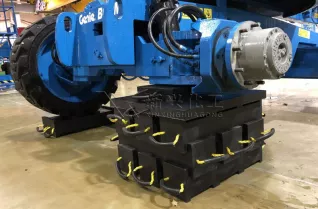
In heavy lifting operations, crane stability is one of the most critical factors affecting jobsite safety and efficiency. Whether operating a mobile crane, truck-mounted crane, or rough terrain crane, the stability of the equipment depends not only on the crane itself but also on the ground support system beneath the outriggers.
Crane outrigger pads provide a stable foundation by distributing the load from crane outriggers over a larger surface area, reducing ground pressure and preventing sinking, shifting, or instability during lifting operations.
However, choosing the right crane outrigger pads requires careful consideration of several factors, including load capacity, material, size, thickness, and jobsite conditions. This guide explains the key factors that contractors and equipment buyers should evaluate before purchasing crane outrigger pads.
What Are Crane Outrigger Pads?
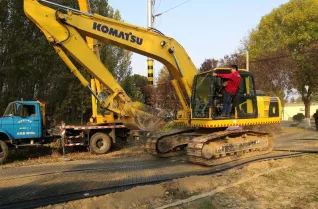
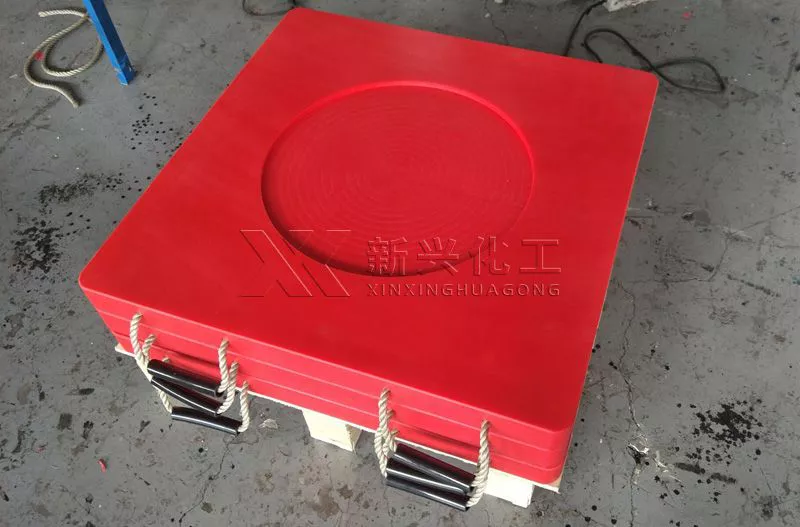
Crane outrigger pads are heavy-duty support platforms placed underneath crane outriggers to improve stability during lifting operations.
When a crane lifts heavy loads, a significant amount of force is transferred through the outriggers to the ground. Without proper support, concentrated pressure can cause:
By increasing the contact area between the outrigger and the ground, crane outrigger pads help distribute weight more evenly and create a safer working environment.
They are commonly used for:
Why Are Crane Outrigger Pads Important for Heavy Lifting?
1. Improve Crane Stability
The primary function of crane outrigger pads is to provide a stable base for crane operations.
Soft soil, uneven surfaces, asphalt, gravel, and temporary construction sites may not provide enough support for crane outriggers. Properly designed pads prevent excessive ground pressure and improve overall lifting stability.
2. Reduce Ground Pressure
A crane can generate extremely high loads through its outriggers. Without sufficient support, the concentrated force can exceed the ground's bearing capacity.
Crane outrigger pads increase the support area, allowing the load to be distributed across a larger surface.
The basic principle is:
Lower ground pressure = Improved stability
This is especially important for:
3. Protect Jobsite Surfaces
Heavy equipment can easily damage surfaces such as:
Asphalt roads
Concrete floors
Landscaping areas
Temporary access roads
Using crane outrigger pads helps reduce surface damage while maintaining safe lifting conditions.
How to Choose the Right Crane Outrigger Pads?
1. Consider Crane Load Capacity
The first factor is the maximum load transferred through the outriggers.
Before selecting pads, buyers should evaluate:
Higher-capacity cranes require thicker and stronger outrigger pads to safely handle greater loads.
2. Select the Correct Pad Size
The size of crane outrigger pads directly affects load distribution.
Larger pads provide:
However, oversized pads may increase transportation and handling difficulty.
The ideal size depends on:
3. Choose Suitable Pad Thickness
Thickness is another important factor affecting performance.
Thicker crane pads generally provide:
For heavy-duty lifting applications, thicker composite pads are commonly preferred because they maintain structural strength under repeated loading.
What Materials Are Used for Crane Outrigger Pads?
HDPE Crane Outrigger Pads
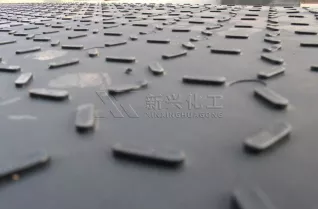
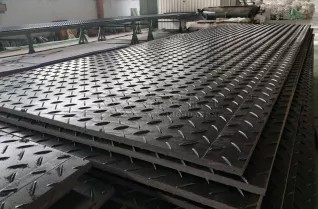
High-density polyethylene (HDPE) is one of the most popular materials for modern crane outrigger pads.
Advantages include:
Lightweight compared with steel
High impact resistance
Excellent moisture resistance
Corrosion-free performance
Easy handling
HDPE pads are widely used in construction, rental fleets, and industrial lifting operations.
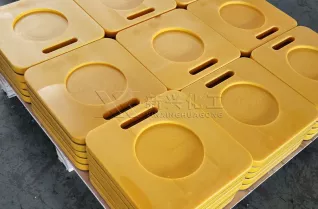
UHMWPE Crane Pads
Ultra-high molecular weight polyethylene (UHMWPE) provides even higher wear resistance and durability.
Benefits include:
UHMWPE crane outrigger pads are suitable for demanding applications requiring frequent use.
Wooden Outrigger Pads
Wooden pads have traditionally been used because of their availability and low initial cost.
However, compared with modern composite materials, wood has limitations:
For professional lifting operations, composite crane outrigger pads are increasingly replacing traditional wooden solutions.
Crane Outrigger Pads vs Steel Plates: Which Is Better?
Many contractors compare crane outrigger pads with steel plates for ground support.
| Feature | Crane Outrigger Pads | Steel Plates |
|---|
| Weight | Lightweight | Heavy |
| Transportation | Easy handling | Requires equipment |
| Corrosion Resistance | Excellent | Requires protection |
| Installation Speed | Fast | Slower |
| Surface Protection | Better | Limited |
| Reusability | High | High |
For mobile crane operations where frequent relocation is required, composite crane outrigger pads provide significant advantages.
Common Applications of Crane Outrigger Pads
Construction Sites
Construction contractors use crane outrigger pads to support lifting operations involving:
Steel structures
Concrete components
Building materials
Prefabricated modules
Mobile Crane Operations
Mobile crane companies rely on durable outrigger pads because equipment frequently moves between different job sites.
Lightweight composite pads improve:
Crane Rental Companies
Rental companies require products that can withstand repeated use by different customers.
High-quality crane outrigger pads offer:
Industrial and Infrastructure Projects
Large-scale projects such as:
Power plants
Oil and gas facilities
Bridges
Wind energy projects
require reliable ground support solutions for heavy lifting equipment.
Benefits of Using Custom Crane Outrigger Pads
Different cranes and job sites have different requirements. Custom crane outrigger pads allow buyers to select:
For equipment manufacturers, rental companies, and distributors, OEM customization provides flexibility for different markets.
How to Maintain Crane Outrigger Pads?
Although composite crane pads require minimal maintenance, proper care can extend their service life.
Recommended practices include:
Inspect Before Each Use
Check for:
Cracks
Severe deformation
Surface damage
Clean After Operation
Remove:
Soil
Oil
Construction debris
This helps maintain surface performance.
Store Properly
Keep pads:
Conclusion
Choosing the right crane outrigger pads is essential for safe and efficient lifting operations. The correct pad size, thickness, material, and load capacity can significantly improve crane stability while protecting jobsite surfaces.
For construction companies, crane rental businesses, and industrial equipment suppliers, investing in high-quality composite crane outrigger pads provides long-term value through improved safety, durability, and operational efficiency.
When selecting a supplier, buyers should consider not only product specifications but also manufacturing capability, customization options, quality control, and after-sales support.
High-performance crane outrigger pads are not just accessories — they are a critical safety component for modern lifting operations.