Construction projects are constantly challenged by tight budgets, demanding schedules, and complex site conditions. Whether working on residential developments, commercial buildings, utility installations, renewable energy projects, pipeline construction, or civil engineering works, contractors are always seeking practical ways to reduce costs without compromising safety or efficiency.
One increasingly popular solution is the use of temporary ground mats. These versatile ground protection systems provide stable access roads, equipment platforms, and work surfaces while helping contractors avoid many of the hidden expenses associated with difficult terrain and adverse weather conditions.
From reducing site restoration costs to improving equipment productivity, temporary ground mats can deliver significant financial benefits throughout the lifecycle of a construction project.
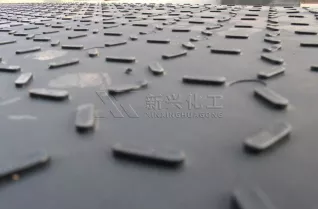
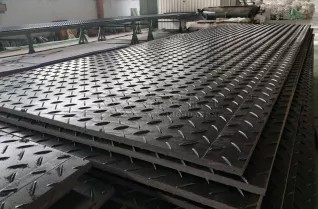
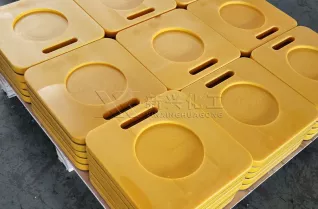
Temporary ground mats are heavy-duty panels designed to create stable working surfaces over soft, muddy, sandy, or environmentally sensitive terrain.
Common materials include:
High-Density Polyethylene (HDPE)
Composite materials
Engineered polymers
Timber mats
Aluminum panels
They are widely used to create:
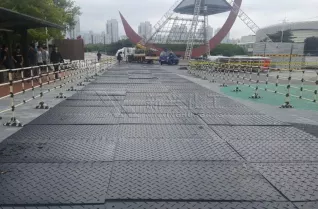
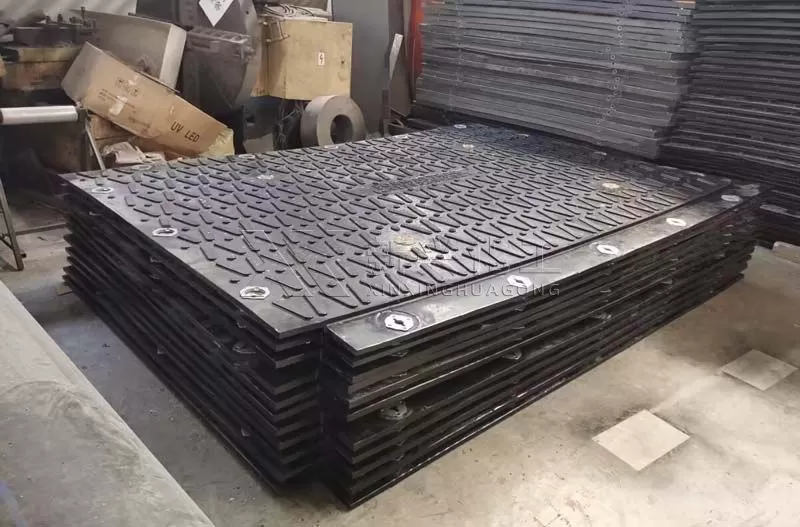
Temporary access roads
Construction site entrances
Equipment work pads
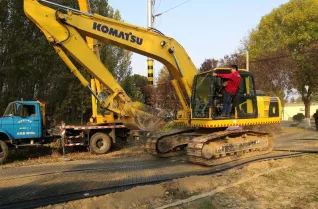
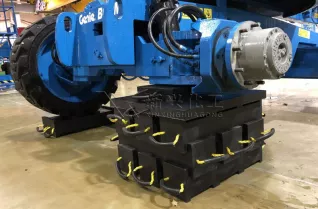
Crane platforms
Material storage areas
Utility installation routes
By distributing heavy loads over a larger area, ground mats help prevent ground failure while improving site accessibility.
Without proper ground protection, construction sites often encounter costly challenges such as:
Equipment getting stuck
Delayed material deliveries
Reduced worker productivity
Excessive site restoration
Vehicle recovery expenses
Damage to landscaping and infrastructure
Environmental compliance issues
These unexpected costs can quickly impact project profitability.
Temporary ground mats help eliminate many of these risks before they occur.
Reduced Site Preparation Costs
Traditional site preparation often requires extensive grading, excavation, and aggregate installation before equipment can safely access a project area.
These activities involve:
Labor costs
Equipment rental
Material purchases
Transportation expenses
Temporary ground mats often eliminate or significantly reduce the need for extensive site preparation.
Cost Savings Include:
Less excavation work
Reduced gravel requirements
Lower fuel consumption
Shorter preparation timelines
This allows projects to begin more quickly and with lower upfront investment.
Minimized Equipment Recovery Expenses
One of the most expensive and disruptive site problems occurs when heavy equipment becomes stuck in soft or unstable ground.
Recovery operations may require:
Additional machinery
Specialized towing services
Project downtime
Operator labor
Even a single recovery incident can cost thousands of dollars.
Ground mats provide stable surfaces that help prevent:
Vehicle immobilization
Equipment sinking
Wheel rutting
Access failures
By maintaining reliable site access, contractors can avoid costly recovery operations.
Lower Road Construction Costs
Temporary construction roads are often necessary for transporting equipment and materials.
Building permanent or semi-permanent roads can require:
Aggregate materials
Grading equipment
Compaction services
Ongoing maintenance
Ground mats offer a cost-effective alternative.
Benefits
Rapid installation
Reusability
Reduced material consumption
Easier removal after project completion
Many contractors find that temporary matting systems cost significantly less than constructing traditional access roads.
Reduced Site Restoration Expenses
Ground disturbance can create major restoration costs at the end of a project.
Common restoration activities include:
Filling ruts
Soil replacement
Regrading
Reseeding vegetation
Landscaping repairs
Ground mats protect underlying surfaces and minimize damage caused by construction traffic.
Restoration Savings
Less soil remediation
Reduced landscaping repairs
Faster site turnover
Improved compliance with landowner requirements
These savings are particularly valuable for projects located on agricultural land, parks, wetlands, or environmentally sensitive sites.
Improved Equipment Productivity
Construction equipment operates most efficiently on stable surfaces.
Ground mats improve:
Vehicle mobility
Traction
Access reliability
Operational efficiency
Equipment operators spend less time navigating difficult terrain and more time performing productive work.
Financial Benefits
Increased daily output
Reduced idle time
Better fuel efficiency
Lower operational costs
Even modest productivity gains can generate substantial savings on large projects.
Reduced Weather-Related Delays
Rain, snow, and freeze-thaw cycles often create site access challenges that lead to project delays.
Ground mats help maintain site operations during adverse conditions by providing:
Stable access roads
Mud-free work zones
Reliable equipment pathways
Cost Reduction Through:
Fewer schedule disruptions
Improved labor utilization
Reduced overtime expenses
Faster project completion
For time-sensitive projects, avoiding weather delays can have a significant impact on profitability.
Rough terrain and unstable ground can increase wear on construction equipment.
Common issues include:
Tire damage
Suspension wear
Excessive vibration
Increased maintenance requirements
Ground mats create smoother travel surfaces that help reduce stress on machinery.
Long-Term Savings
Extended equipment lifespan
Lower maintenance costs
Reduced repair frequency
Improved fleet reliability
These benefits are especially important for contractors managing large equipment fleets.
Enhanced Worker Productivity
Workers perform more efficiently when job sites are accessible and safe.
Ground mats create cleaner, more stable work environments that reduce:
Walking difficulties
Material handling challenges
Safety hazards
Improved site conditions can lead to:
Faster task completion
Better workforce efficiency
Reduced downtime
Over the course of a project, these productivity improvements contribute directly to cost savings.
Many construction projects must comply with environmental regulations designed to protect:
Wetlands
Agricultural land
Forests
Waterways
Sensitive ecosystems
Ground mats help reduce environmental impacts by minimizing:
Soil compaction
Surface disturbance
Vegetation damage
Erosion
Compliance Benefits
Lower mitigation costs
Reduced restoration requirements
Easier permitting processes
Lower risk of environmental penalties
These advantages can be particularly important for infrastructure and energy projects.
Cost Savings by Construction Sector
Utility Construction
Ground mats reduce costs associated with:
Power line installation
Substation projects
Emergency repairs
Underground utility work
Key Savings
Faster access
Reduced restoration
Improved crew productivity
Renewable Energy Projects
Wind and solar developments often require access across large areas of undeveloped land.
Ground mats help lower:
Temporary road costs
Environmental remediation expenses
Equipment transportation challenges
Pipeline Construction
Pipeline projects frequently span difficult terrain.
Ground mats provide:
Temporary haul roads
Equipment support pads
Access through sensitive environments
This reduces overall construction and restoration expenses.
Commercial Construction
Ground mats help commercial contractors reduce costs related to:
Site preparation
Material delivery access
Landscaping repairs
Project delays
Reusability Increases Return on Investment
One of the greatest financial advantages of temporary ground mats is their reusability.
High-quality HDPE and composite mats can be used across multiple projects for many years.
Long-Term Benefits
Lower cost per project
Reduced equipment investment
Improved asset utilization
Consistent project savings
For contractors with ongoing projects, reusable ground mats often provide an excellent return on investment.
To maximize savings, consider:
Load Requirements
Select mats that can safely support equipment and vehicle weights.
Ground Conditions
Evaluate:
Soil type
Moisture levels
Terrain characteristics
Project Duration
Different mat systems are available for short-term and long-term applications.
Transportation and Installation
Lightweight, easy-to-handle mats can reduce labor and logistics costs.
How do temporary ground mats reduce construction costs?
They lower expenses related to site preparation, equipment recovery, road construction, site restoration, and project delays.
Are ground mats cheaper than building temporary roads?
In many cases, yes. Ground mats can often provide a more cost-effective and reusable alternative to gravel or aggregate roads.
Can ground mats reduce environmental restoration costs?
Yes. Ground mats help protect soil and vegetation, reducing restoration requirements after project completion.
Do ground mats improve equipment efficiency?
Absolutely. Stable surfaces improve vehicle mobility, reduce downtime, and enhance productivity.
Are temporary ground mats reusable?
Most high-quality ground mats are designed for repeated use across multiple construction projects.
Temporary ground mats offer far more than simple ground protection. They are a strategic investment that can significantly reduce overall construction costs by improving site access, minimizing ground damage, increasing productivity, and reducing project delays.
From utility installations and renewable energy developments to pipeline construction and commercial building projects, ground mats provide measurable financial benefits throughout every stage of construction. By reducing site preparation expenses, avoiding costly equipment recovery operations, limiting restoration requirements, and enhancing operational efficiency, temporary ground mats help contractors complete projects faster, safer, and more profitably.
For construction companies looking to improve project economics and maximize return on investment, temporary ground mats have become an indispensable tool in modern site management.

Established in 1989,located in Qingdao city of Shandong province, Shandong Ningjin Xinxing Chemical Co.,LTD. is the most professional manufacture of engineering plastics and the only manufacturer who has complete MATS system in China.
Phone
+86 189 0640 6469
Location
Liaohe Road, Ningjin Industrial Zone, Dezhou City, Shandong Province, China.
Copyright © Shandong Ningjin Xinxing Chemical Co., Ltd. All Rights Reserved |
Sitemap
| Powered by