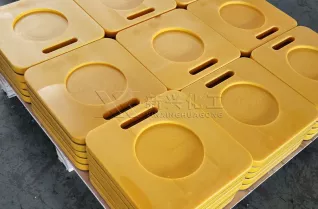
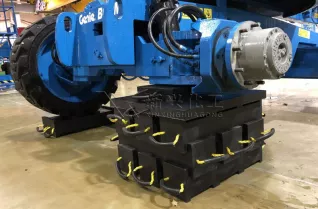
Winter construction projects present unique challenges that can significantly impact productivity, safety, and project timelines. Snow-covered terrain, frozen ground, ice accumulation, and repeated freeze-thaw cycles can create unstable working conditions for both personnel and heavy equipment. Without proper site access solutions, construction vehicles may become stuck, equipment mobility can be restricted, and ground damage may increase once temperatures rise.
Temporary ground mats have become an essential tool for winter construction operations. They provide stable access roads, work platforms, and equipment staging areas that help contractors maintain project schedules despite harsh weather conditions.
Whether you're managing infrastructure projects, utility installations, pipeline construction, renewable energy developments, or commercial building projects during winter months, temporary ground mats offer a practical and cost-effective solution for overcoming seasonal challenges.
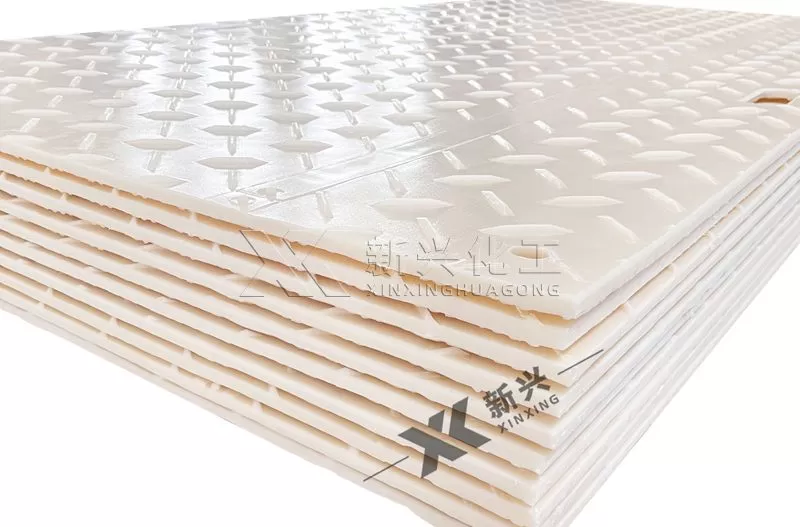
Winter conditions create several obstacles that traditional access routes may not adequately address.
Common Winter Site Challenges
Snow accumulation on access roads
Ice-covered work areas
Soft ground beneath frozen surfaces
Freeze-thaw cycles causing instability
Reduced traction for vehicles and equipment
Increased risk of worker slips and falls
Delays caused by inaccessible construction zones
As temperatures fluctuate, seemingly solid frozen ground can quickly become muddy and unstable, particularly during daytime thawing periods. This unpredictability makes temporary ground protection systems a valuable investment for winter projects.
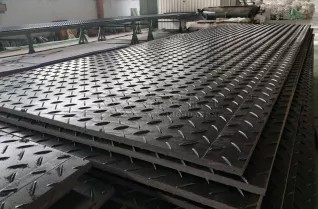
Temporary ground mats are portable, heavy-duty panels designed to create stable surfaces over challenging terrain. They are commonly manufactured from:
High-Density Polyethylene (HDPE)
Composite materials
Engineered polymers
Aluminum
Timber for heavy-duty applications
These mats distribute equipment weight across a larger surface area, reducing ground pressure and improving stability.
During winter construction, ground mats help maintain safe access and minimize disruptions caused by snow, ice, and soft ground conditions.
Improved Site Accessibility
One of the biggest challenges during winter construction is maintaining access to project sites.
Temporary ground mats create:
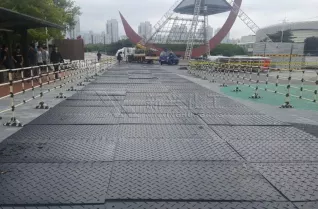
Stable access roads
Temporary driveways
Equipment pathways
Material delivery routes
This ensures that construction activities continue even after heavy snowfall or periods of freezing weather.
Key Advantages
Reduces vehicle immobilization
Supports continuous project operations
Minimizes weather-related delays
Enhances logistical efficiency
Enhanced Equipment Mobility
Construction equipment used during winter projects often includes:
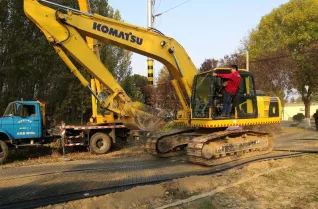
Excavators
Cranes
Telehandlers
Bulldozers
Utility trucks
Concrete delivery vehicles
Snow and ice can reduce traction and increase the risk of equipment becoming stuck.
Ground mats provide a stable surface that improves:
Vehicle traction
Equipment maneuverability
Load distribution
Site productivity
Increased Worker Safety
Winter job sites can become hazardous due to slippery conditions.
Ground mats help reduce risks associated with:
Slips and falls
Uneven surfaces
Ice-covered pathways
Muddy work areas during thaw periods
A safer work environment can contribute to improved workforce efficiency and reduced accident-related downtime.
Freeze-thaw cycles can significantly weaken ground conditions.
During freezing temperatures:
Soil expands as moisture freezes.
During thawing:
Soil becomes saturated and unstable.
Temporary ground mats bridge these unstable areas and help maintain a consistent working surface throughout changing weather conditions.
Reduced Ground Disturbance
Winter construction projects often take place in environmentally sensitive locations where soil protection is critical.
Ground mats help prevent:
Deep rutting
Soil compaction
Vegetation damage
Erosion after snowmelt
This reduces site restoration costs and supports environmental compliance requirements.
Utility and Power Line Projects
Utility contractors frequently work throughout winter to maintain essential infrastructure.
Ground mats support:
Power line installation
Emergency repairs
Transformer replacement
Substation construction
Reliable access is especially important during winter storms when utility restoration efforts are critical.
Pipeline Construction
Pipeline projects often continue during winter months to meet project deadlines.
Ground mats provide:
Temporary haul roads
Equipment work zones
Welding station platforms
Material staging areas
They help maintain operations even in snow-covered and partially frozen terrain.
Renewable Energy Projects
Wind farms and solar installations frequently require construction during colder seasons.
Ground mats facilitate:
Turbine installation
Crane access
Component transportation
Maintenance activities
By creating stable surfaces, mats help keep projects on schedule despite winter weather.
Commercial and Industrial Construction
Building projects often continue year-round.
Ground mats are used for:
Construction entrances
Temporary roadways
Equipment parking areas
Material storage locations
These applications help reduce site congestion and improve operational efficiency.
Emergency Infrastructure Repairs
Municipalities and contractors frequently use ground mats during winter emergency response operations.
Examples include:
Water main repairs
Gas line maintenance
Storm damage restoration
Emergency utility access
Rapid deployment capabilities make ground mats especially valuable during urgent situations.
High Load Capacity
Winter construction equipment can be extremely heavy.
Look for mats capable of supporting:
Fully loaded trucks
Cranes
Excavators
Material handling equipment
Load ratings should match project requirements.
Slip-Resistant Surface Design
Traction becomes increasingly important in snowy and icy environments.
Quality winter ground mats typically feature:
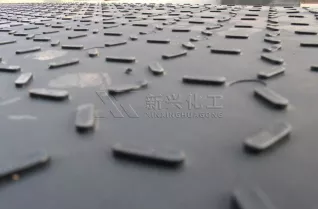
Aggressive tread patterns
Textured surfaces
Dual-sided traction designs
These features improve safety for both workers and vehicles.
Cold Weather Performance
Not all materials perform equally in freezing temperatures.
High-quality mats should offer:
Resistance to cracking
Flexibility in cold weather
UV resistance
Moisture resistance
HDPE and composite mats are often preferred because of their excellent winter performance.
Easy Handling and Deployment
Winter weather can limit installation time.
Efficient ground mat systems should provide:
Quick setup
Easy transportation
Modular installation
Minimal equipment requirements
Fast deployment helps reduce labor costs and operational disruptions.
Several factors should be considered when selecting temporary ground mats.
Project Duration
Short-term projects may prioritize lightweight portable mats.
Long-term projects may require heavy-duty solutions.
Equipment Weight
Determine maximum vehicle loads and traffic frequency.
Site Conditions
Evaluate:
Snow depth
Ground moisture
Terrain slope
Ice formation risk
Environmental Requirements
Consider local regulations regarding:
Wetland protection
Soil disturbance
Site restoration obligations
HDPE Ground Mats
Advantages
Lightweight
Waterproof
Easy to clean
Resistant to freezing temperatures
Long service life
Reusable for multiple projects
Best For
Utility projects
Renewable energy construction
Commercial sites
General winter access roads
Timber Mats
Advantages
Extremely high load capacity
Suitable for large equipment
Effective in rough terrain
Best For
Pipeline construction
Heavy civil projects
Large crane operations
While winter site preparation can be expensive, temporary ground mats often reduce overall project costs by:
Preventing equipment recovery expenses
Reducing project delays
Lowering road construction costs
Minimizing site restoration requirements
Improving labor productivity
The ability to reuse mats across multiple projects further enhances return on investment.
Sustainability Benefits
Many construction companies are seeking environmentally responsible solutions.
Reusable ground mats contribute to sustainability goals by:
Reducing material waste
Limiting land disturbance
Protecting vegetation
Supporting responsible construction practices
Compared with building temporary gravel roads, ground mats often leave a much smaller environmental footprint.
Can ground mats be used directly on snow?
Yes. Ground mats can be installed over compacted snow or partially frozen ground to create stable access routes and work surfaces.
Are ground mats effective during freeze-thaw cycles?
Absolutely. Ground mats help bridge unstable areas and maintain equipment mobility as ground conditions change.
Can heavy equipment operate on winter ground mats?
Yes. Heavy-duty ground mats are designed to support construction vehicles, cranes, excavators, and other large equipment.
Do ground mats improve worker safety?
Yes. Slip-resistant surfaces and stable footing help reduce common winter job site hazards.
Are temporary ground mats reusable?
Most HDPE and composite ground mats are designed for repeated use across multiple projects and seasons.
Winter construction projects require reliable solutions to overcome snow, ice, frozen ground, and unpredictable weather conditions. Temporary ground mats provide stable access roads, safe working platforms, and effective ground protection that help contractors maintain productivity throughout the winter season.
From utility infrastructure and pipeline construction to renewable energy projects and commercial developments, temporary ground mats offer a cost-effective way to improve safety, protect sensitive terrain, and keep projects moving forward despite challenging winter conditions.
For contractors seeking dependable winter site access solutions, investing in high-quality temporary ground mats can significantly reduce delays, lower operational costs, and ensure successful project completion even in the harshest environments.

Established in 1989,located in Qingdao city of Shandong province, Shandong Ningjin Xinxing Chemical Co.,LTD. is the most professional manufacture of engineering plastics and the only manufacturer who has complete MATS system in China.
Phone
+86 189 0640 6469
Location
Liaohe Road, Ningjin Industrial Zone, Dezhou City, Shandong Province, China.
Copyright © Shandong Ningjin Xinxing Chemical Co., Ltd. All Rights Reserved |
Sitemap
| Powered by