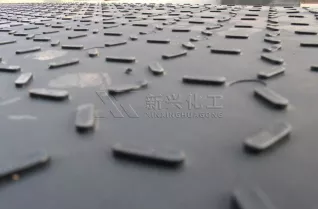
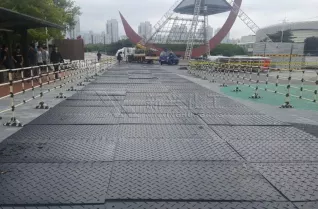
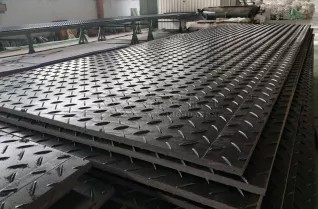
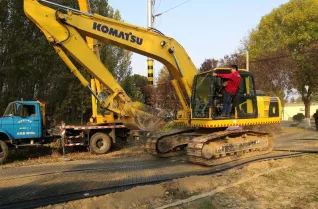
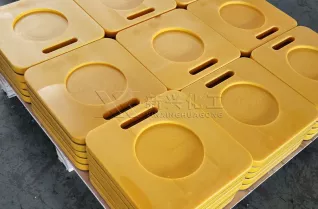
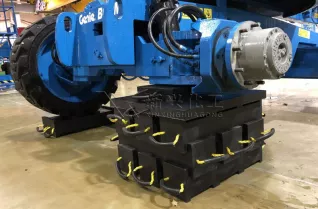
Road mats, also known as temporary paving slabs or ground protection mats, are modular panels manufactured from high density polyethylene, composite materials, or recycled plastics. Their primary function is to create a stable and load bearing surface on soft, muddy, or environmentally sensitive ground while protecting the underlying soil structure and vegetation. In agriculture and forestry, road mats play a critical role in balancing operational efficiency with environmental protection, making them an essential support solution for modern sustainable land management.
As agricultural mechanization and forestry operations continue to expand, the demand for temporary access solutions that do not permanently damage land has increased significantly. Road mats provide a flexible and reusable alternative to traditional gravel roads or concrete paving, allowing equipment to operate efficiently while preserving soil health and ecosystem integrity.
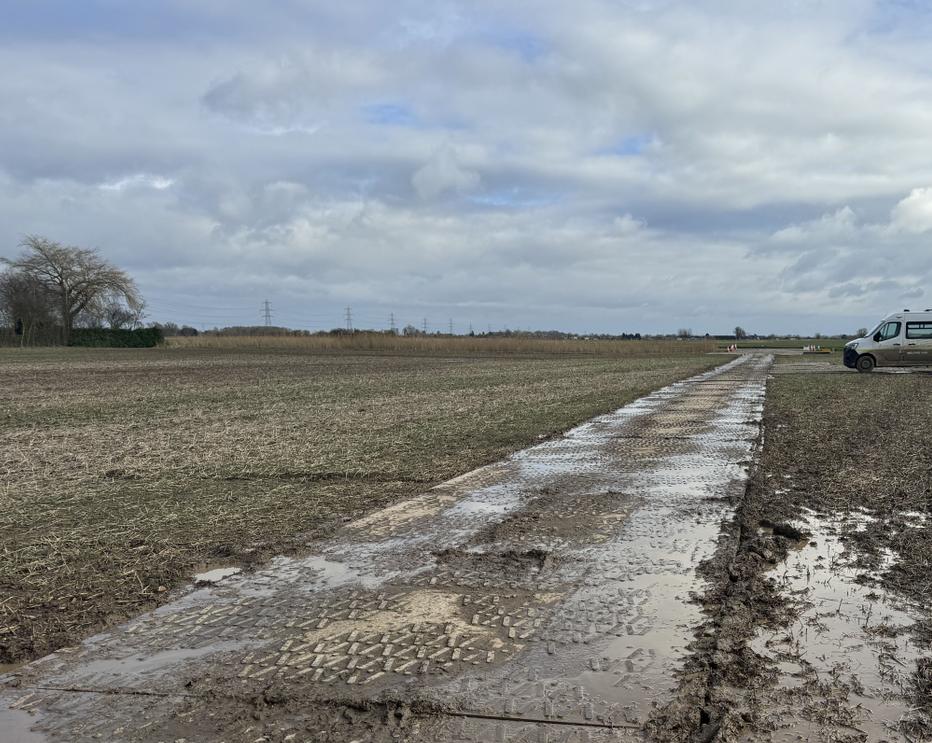
Agricultural environments are highly sensitive to soil compaction, water retention, and surface disturbance. Traditional dirt roads and unreinforced field paths often become muddy during rainy seasons or after irrigation, preventing machinery from entering fields and disrupting critical farming schedules. Heavy equipment operating directly on farmland can compress soil layers, reduce air permeability, and negatively impact crop root development.
Road mats address these challenges by distributing equipment weight evenly across a wider surface area. This minimizes soil deformation and ensures reliable access even under adverse ground conditions. As a result, farming operations can proceed on schedule without compromising long term soil productivity.
During sowing and fertilization stages, timely access to farmland is essential. In regions with frequent rainfall or clay rich soils, machinery often struggles to move across unreinforced ground. Road mats can be temporarily installed to form stable access lanes, allowing seeders and fertilizer spreaders to travel efficiently without damaging prepared seedbeds.
By restricting machinery movement to designated paths, road mats help maintain consistent sowing depth and prevent uneven soil compaction. This contributes directly to improved germination rates, healthier root systems, and more uniform crop growth across the field.
Harvesting periods are particularly vulnerable to weather related disruptions. In large scale grain production such as wheat, corn, and rice farming, muddy conditions can delay harvests and increase crop loss. Road mats provide a firm working surface for harvesters and transport vehicles, enabling continuous operation even during wet seasons.
In addition to serving as access roads, road mats can be extended into fields to create temporary loading and unloading areas. This reduces handling damage, prevents contamination from mud, and improves overall harvest efficiency. The ability to remove the mats after use ensures that farmland remains suitable for future planting cycles.
Perennial crop systems such as orchards and tea gardens require careful protection of root zones and ground cover. Repeated vehicle movement between tree rows can compact soil and damage organic mulch layers or grass cover that support soil fertility.
Road mats installed between rows provide controlled access for harvesting vehicles, plant protection equipment, and agricultural drones. They allow machinery to operate without disturbing tree roots or surface vegetation, supporting long term orchard productivity and soil conservation.
Livestock farms face persistent challenges related to mud accumulation, hygiene, and animal safety. Areas around barns, feeding zones, and exercise yards often become muddy due to frequent trampling and rain erosion. These conditions increase disease risk and complicate manure removal.
Road mats create a non slip, durable surface that improves animal footing and reduces injury risk. Their smooth yet textured surface allows for easy cleaning with water, making daily maintenance more efficient and hygienic. Improved ground conditions also contribute to better livestock welfare and lower veterinary costs.
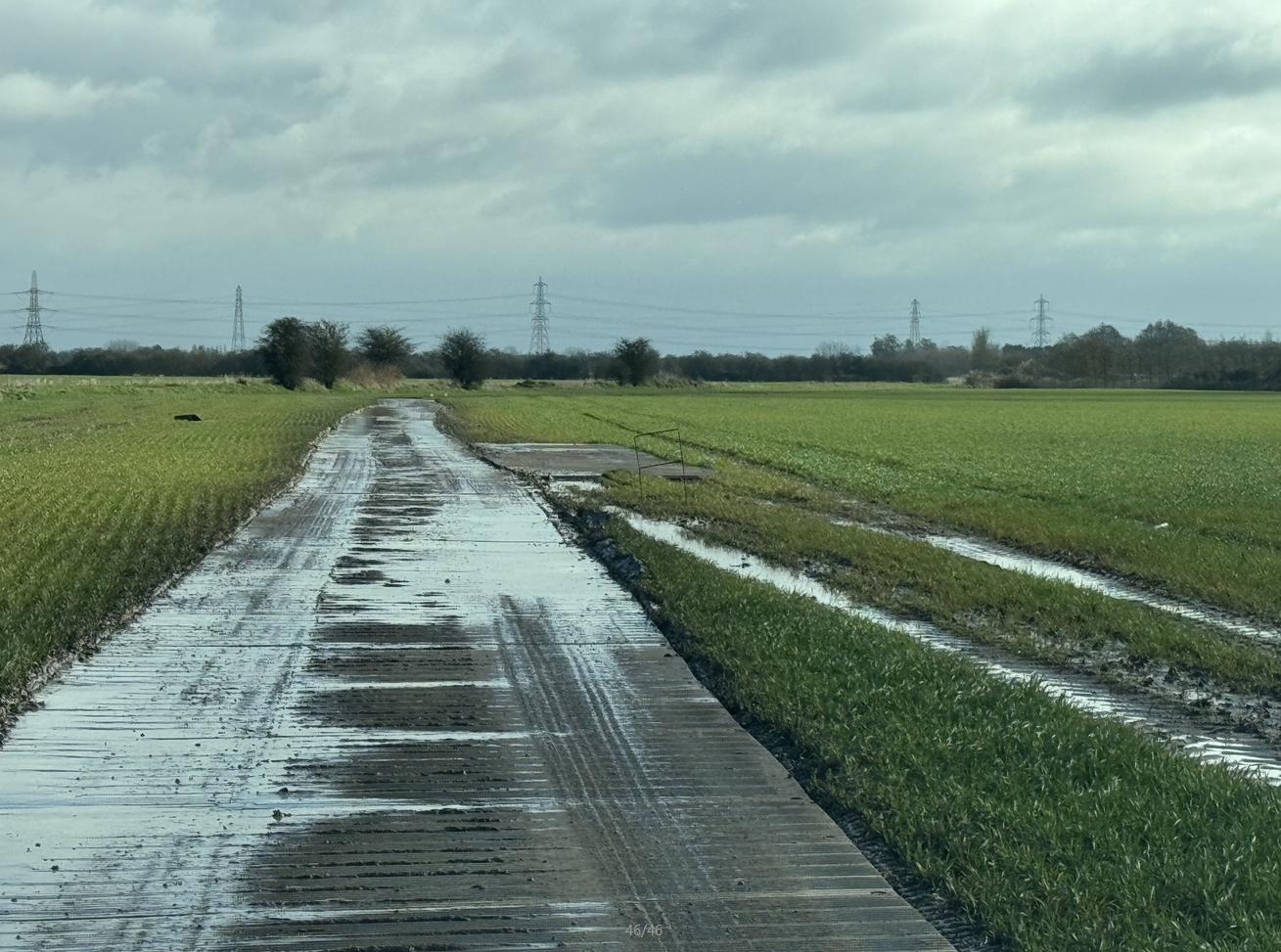
In rotational grazing systems, livestock traffic is often concentrated around water sources and supplementary feeding points. Without protection, these areas can suffer from severe land degradation, leading to soil erosion and vegetation loss.
Road mats placed strategically around high traffic zones help stabilize the ground and protect pasture structure. By reducing excessive trampling, they support sustainable grazing practices and prevent long term damage to grassland ecosystems, especially in arid and semi arid regions.
Road mats are widely used during the construction and maintenance of agricultural and forestry infrastructure. Projects such as irrigation canal installation, greenhouse construction, agricultural photovoltaic systems, and forest road maintenance require temporary access for heavy machinery.
Using road mats as construction access routes prevents irreversible damage to cultivated land and forest floors. After project completion, the mats can be removed and reused elsewhere, leaving no permanent footprint on the environment. This makes them an ideal solution for temporary but intensive construction activities.
In aquaculture operations and rice fish farming systems, maintaining stable pond embankments and field bunds is critical. Road mats installed along pond edges or rice field boundaries provide safe walkways for feeding vehicles and maintenance personnel.
By reinforcing these areas, road mats prevent embankment collapse and reduce the risk of soil runoff entering water bodies. This helps maintain water quality, supports aquatic health, and improves the overall stability of integrated farming systems.
Choosing the right road mats depends on operational requirements and environmental conditions. Load bearing capacity should match the weight of machinery used, with lighter mats suitable for tractors and harvesters and heavy duty mats designed for forestry equipment and log transport.
Ground conditions also play an important role. Muddy or wetland environments benefit from road mats with anti slip surfaces and drainage features, while sloped or uneven terrain requires mats with secure interlocking systems to prevent movement.
Environmental responsibility is increasingly important in agriculture and forestry. Road mats made from recyclable high density polyethylene or environmentally friendly composite materials help reduce plastic waste and align with sustainability goals.
With the global push toward ecological agriculture and sustainable forestry, road mats are transitioning from emergency solutions to standardized operational equipment. In Europe and North America, they are already integrated into best practice guidelines for large scale farms and forestry operations.
In China and other developing agricultural markets, road mats are being promoted in high standard farmland development and protected forest projects. Future innovations are expected to include smart road mats equipped with embedded sensors that monitor load pressure and usage conditions in real time. These advancements will further improve safety, efficiency, and data driven land management.
Road mats have become an indispensable tool in modern agriculture and forestry. By providing reliable access, protecting soil and vegetation, and supporting sustainable land use, they deliver both immediate operational benefits and long term environmental value. As farming and forestry continue to evolve toward higher efficiency and sustainability, road mats will play an increasingly important role in responsible land management worldwide.

Established in 1989,located in Qingdao city of Shandong province, Shandong Ningjin Xinxing Chemical Co.,LTD. is the most professional manufacture of engineering plastics and the only manufacturer who has complete MATS system in China.
Phone
+86 189 0640 6469
Location
Liaohe Road, Ningjin Industrial Zone, Dezhou City, Shandong Province, China.
Copyright © Shandong Ningjin Xinxing Chemical Co., Ltd. All Rights Reserved |
Sitemap
| Powered by