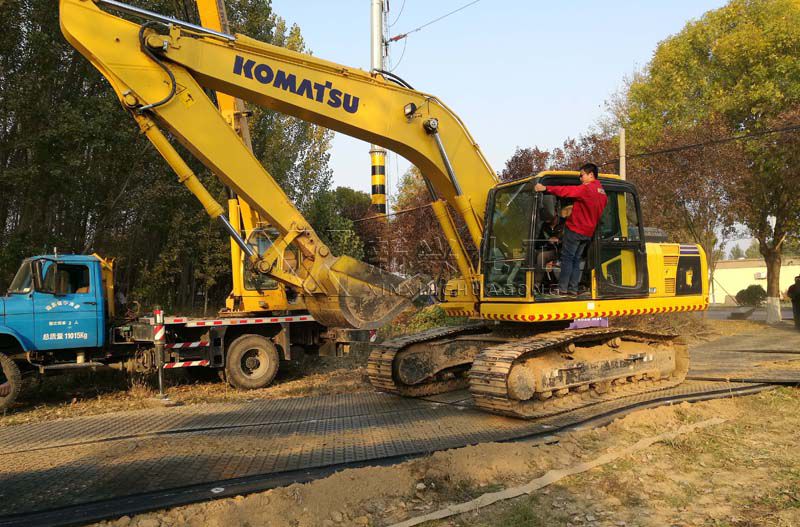
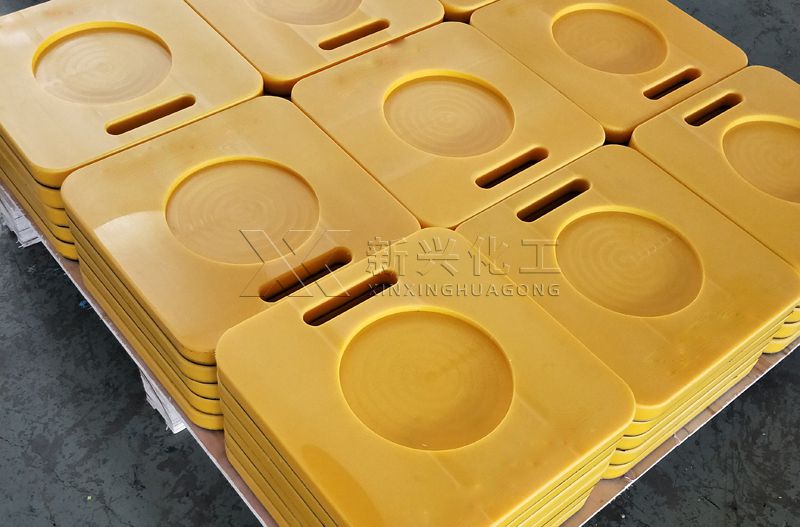
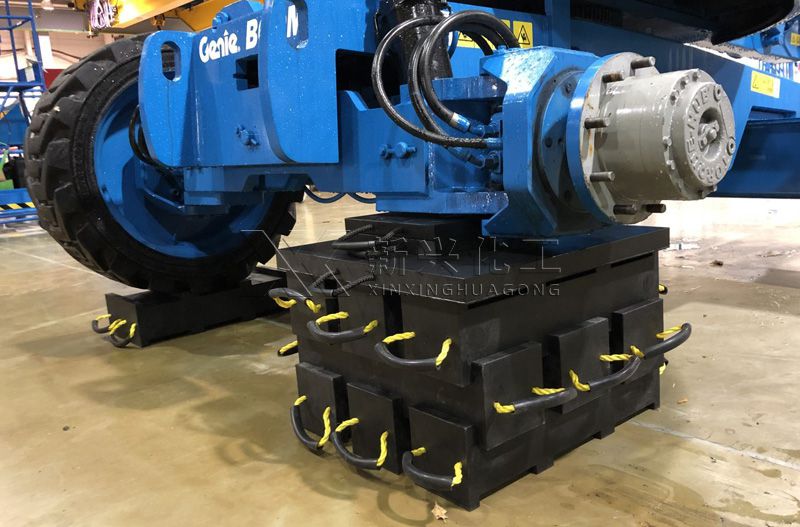
XINXING heavy-duty asphalt road protection mats were used in a village infrastructure project in Jilin Province, China, to help protect existing paved roads during the movement of heavy construction vehicles.
The project involved vehicles in the 40–80-ton range travelling along narrow rural asphalt roads. To reduce direct contact between heavy vehicles and the pavement, XINXING supplied modular Dura Mats measuring 3000 × 2500 × 37 mm.
This project demonstrates how heavy duty road protection mats can be incorporated into construction traffic management where existing pavement must remain in service.
| Project Information | Details |
|---|---|
| Location | Jilin Province, China |
| Application | Existing asphalt road protection |
| Project environment | Narrow village roads |
| Vehicle requirements | 40–80-ton construction vehicles |
| Matting solution | XINXING Dura Mats |
| Panel dimensions | 3000 × 2500 × 37 mm |
| Primary objective | Reduce pavement damage during temporary heavy vehicle traffic |
| Mat configuration | Connected heavy-duty temporary road panels |
The project required heavy construction vehicles to transport equipment and materials through an existing village road network.
Because these asphalt roads were also used for local transport and pedestrian access, the temporary access solution needed to consider road surface protection and vehicle movement.
Existing asphalt roads may not have been designed for repeated movements by heavily loaded construction trucks or industrial equipment.
Several conditions increase the risk of pavement damage.
Heavy vehicles transfer their weight through tyres or tracks. Repeated concentrated loads can contribute to localised deformation, especially where pavement or its underlying layers are weak.
Construction vehicles often make repeated turns in restricted areas.
Tyre scrubbing, braking and tracked-equipment movement can damage the asphalt surface even when the pavement supports normal road traffic.
Narrow rural roads may have limited shoulders, aged pavement or previously damaged sections.
Where the underlying support is inadequate, temporary surface protection alone cannot eliminate the risk of structural road failure.
For this reason, protecting the pavement requires more than simply placing a plastic panel beneath a vehicle.
The matting layout, load distribution, panel support and vehicle route must all be considered.
XINXING supplied Dura Mats heavy-duty road panels for the Jilin project.
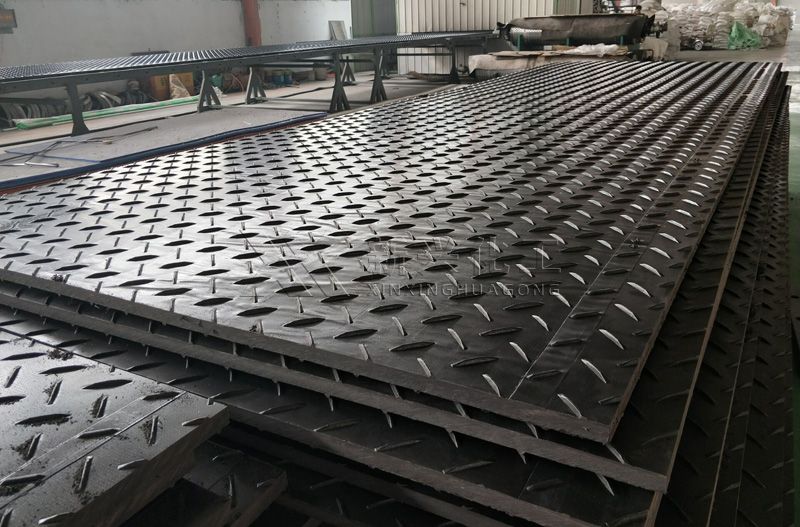
The project documentation identifies the selected panels as UHMWPE road protection mats with a 3000 × 2500 × 37 mm configuration.
Each 3000 × 2500 mm panel provides a nominal surface area of 7.5 m² before accounting for joints or overlap.
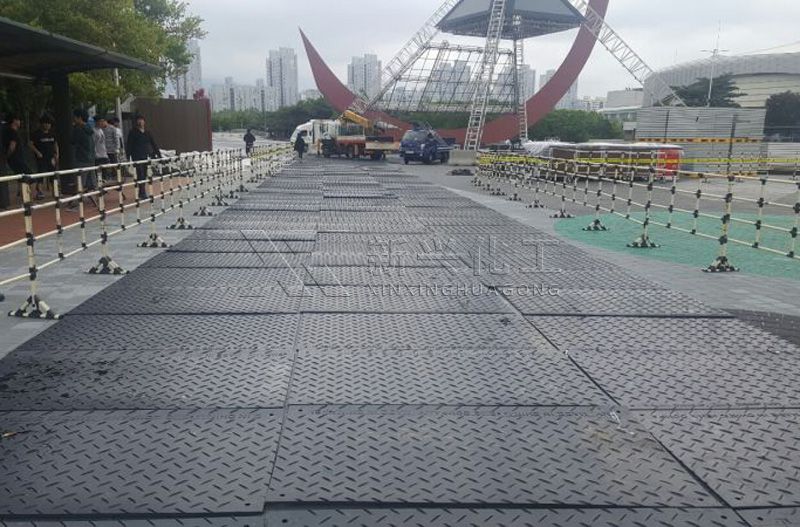
The large-format design allows connected panels to form temporary protected routes across suitable existing road surfaces.
Heavy-duty polyethylene matting systems provide an alternative to temporary timber boards or steel plates in appropriate applications.
Benefits of the selected system include resistance to moisture, durability during repeated handling and the ability to remove and reuse panels after the project.
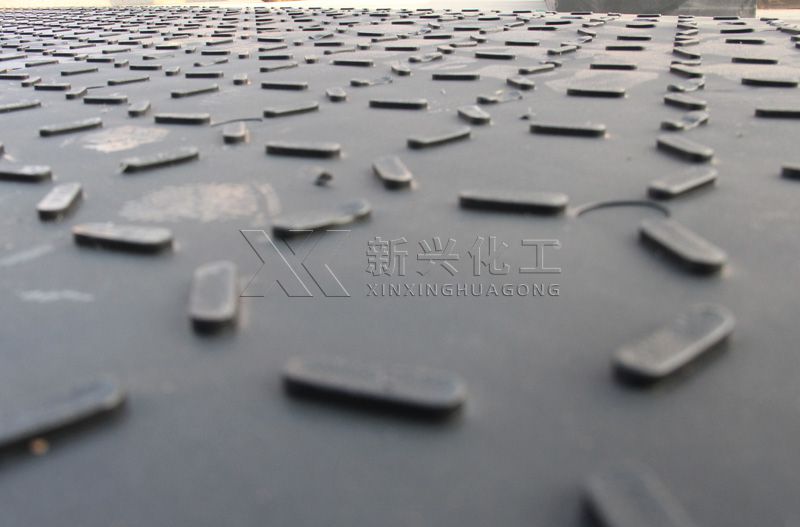
XINXING road mats incorporate traction features designed to improve tyre contact.
The surface pattern and connection system must be suitable for the actual vehicle type, expected movement and operating conditions.
Connected panels help create a continuous temporary travel route instead of relying on individual loose sheets.
Connector selection should account for vehicle movement, turning, braking and potential panel displacement.
Explore the XINXING Dura Mats product range for additional heavy-duty road panel options.
Heavy-duty pavement protection mats act as a temporary separation layer between vehicle traffic and the existing road surface.
When the system is properly designed, the panels can help:
Reduce direct tyre and track contact with asphalt.
Spread concentrated loads over a wider contact area.
Reduce surface scuffing and localised damage.
Keep construction traffic within defined routes.
Provide a removable protection system for temporary works.
However, mats do not increase the structural strength of a defective road foundation. Existing cracks, weak pavement edges, underground voids and concentrated axle loads must be assessed before heavy traffic is permitted.
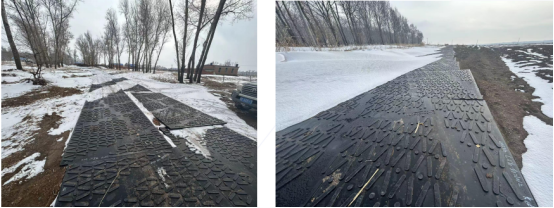
The Jilin project illustrates the use of connected panels on an existing paved route. For contractors planning similar projects, the following factors are essential.
Identify pavement cracks, visible deformation, road shoulders, drainage covers and underground structures.
Confirm that the road itself can support the anticipated traffic loads.
Estimate the width required for loaded vehicles, including turning and passing areas.
Critical locations may include village entrances, construction access points and narrow road sections.
Panel thickness, material, dimensions and connection method must be appropriate for vehicle axle loads and the condition of the pavement.
Large panels require suitable lifting and handling equipment.
Mats should be installed on a clean, properly supported surface with the specified connection arrangement.
Regularly check panel movement, surface contamination, damaged connections and the condition of the road beneath the protected route.
These checks are particularly important where heavy vehicles turn or brake repeatedly.
According to the project record, the XINXING Dura Mats installation helped provide temporary access for heavy construction vehicles while protecting the village asphalt road surface.
Reported project benefits included:
Reduced direct exposure of asphalt surfaces to heavy construction traffic.
Temporary access for vehicles operating within the project's stated 40–80-ton requirements.
Improved organisation of vehicle movement through the village road network.
Reusable protection panels that could be removed after the temporary works.
Reduced need for pavement repair associated with the protected construction route.
The original case documentation describes these benefits qualitatively. It does not provide a measured before-and-after pavement condition survey or quantified repair cost savings.
This type of application is relevant to construction projects where existing paved surfaces need temporary protection.
Potential uses include:
Urban infrastructure projects: Protecting access areas during utility installation, repairs and equipment delivery.
Industrial facility maintenance: Creating designated routes across existing paved industrial areas.
Construction site entrances: Managing heavy vehicle movements across suitable existing roads and hardstanding.
Equipment transportation: Providing temporary surface protection where tracked or specialised equipment must cross paved areas.
For other temporary roadway applications, explore our ground protection mat systems and civil engineering solutions.
Established in 1989, XINXING manufactures engineering plastic products and temporary roadway systems for construction, energy and infrastructure applications.
Our capabilities include heavy-duty road panels, matching connection accessories and manufacturing processes covering moulding, extrusion, machining and assembly.
For pavement protection projects, our team can review vehicle information, panel requirements and road layout details to recommend an appropriate product configuration.
Yes. Suitable heavy-duty road mats can reduce direct contact and localised loading on existing pavement. Their effectiveness depends on pavement condition, vehicle loading and correct installation.
The Jilin project involved vehicles in the 40–80-ton range. This does not mean every XINXING mat is universally rated for 80 tons. The intended vehicle configuration, axle loads, pavement condition and selected mat system require separate evaluation.
No. They can help reduce certain forms of surface damage, but they cannot guarantee protection from structural failures caused by insufficient pavement or subgrade strength.
Yes. Suitable polyethylene road mats can be removed, inspected and reused, provided that the panels and their connections remain in acceptable condition.
Provide the vehicle type, axle loads, tyre or track details, existing pavement condition, route dimensions, turning requirements and anticipated duration of use.
Need temporary road mats for construction vehicles or pavement protection mats for heavy equipment?
XINXING can help you evaluate suitable heavy-duty road mats based on vehicle loads, pavement conditions and project layout.
Request a Heavy-Duty Road Mat Quotation
Established in 1989,located in Qingdao city of Shandong province, Shandong Ningjin Xinxing Chemical Co.,LTD. is the most professional manufacture of engineering plastics and the only manufacturer who has complete MATS system in China.
Phone
+86 189 0640 6469
Location
Liaohe Road, Ningjin Industrial Zone, Dezhou City, Shandong Province, China.
Copyright © Shandong Ningjin Xinxing Chemical Co., Ltd. All Rights Reserved |
Sitemap
| Powered by