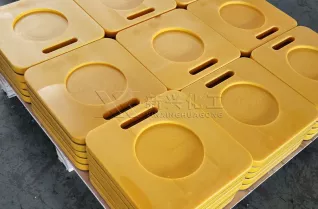
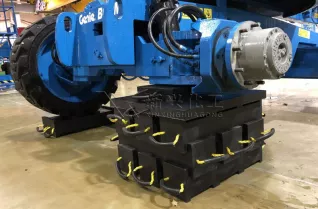
Wetlands, marshes, soft ground zones, and protected ecological sites present major challenges for construction, utility maintenance, pipeline installation, renewable energy projects, and emergency access operations. Heavy machinery can easily sink into unstable terrain, damage vegetation, disrupt wildlife habitats, and create long-term environmental impacts.
Temporary ground mats have become an essential solution for companies working in environmentally sensitive areas. These mats provide stable access routes while minimizing soil disturbance, protecting fragile ecosystems, and improving operational safety.
In this article, we explore how temporary ground mats work, their advantages in wetland environments, key applications, material options, and how to choose the right matting system for your project.
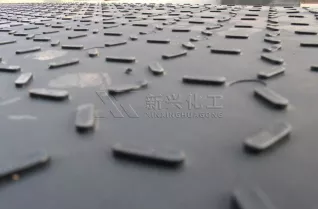
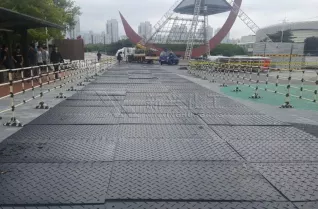
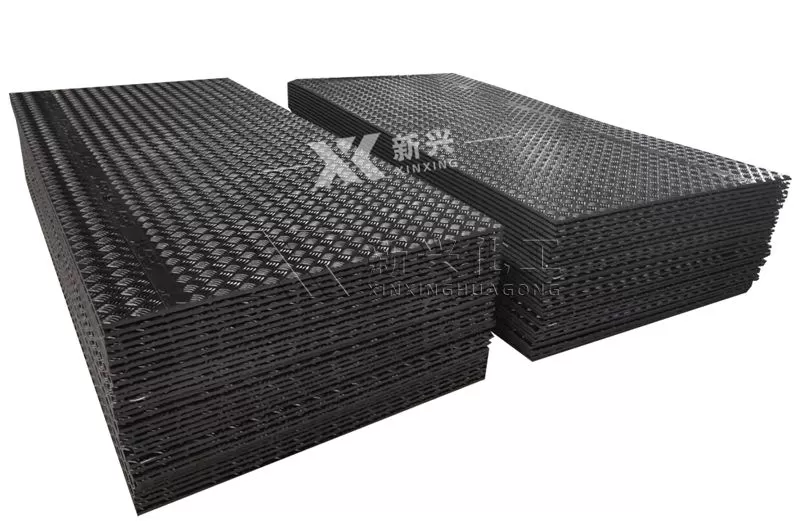
Temporary ground mats are portable panels designed to create stable working surfaces and access roads over soft, muddy, or unstable ground. They distribute the weight of heavy equipment and vehicles to reduce ground pressure and prevent rutting, sinking, or environmental damage.
Ground mats are widely used in:
Wetlands
Marshlands
Coastal areas
Protected ecosystems
Forest access roads
Utility and pipeline projects
Oil and gas operations
Renewable energy installations
Disaster recovery zones
These mats can be quickly installed and removed after project completion, making them ideal for temporary access in environmentally regulated locations.
Wetlands are among the most sensitive ecosystems in the world. They play a critical role in:
Water filtration
Flood control
Carbon storage
Wildlife habitat protection
Groundwater recharge
Biodiversity preservation
Traditional construction methods can severely damage wetland environments through:
Soil compaction
Vegetation destruction
Erosion
Sediment displacement
Water contamination
Habitat fragmentation
Many environmental agencies now require contractors to use low-impact access solutions when operating in protected areas. Temporary ground mats help companies comply with environmental regulations while maintaining productivity.
Minimized Ground Disturbance
Ground mats spread vehicle loads over a larger surface area, reducing pressure on soft soils. This helps preserve natural soil structure and minimizes deep ruts and compaction.
In wetlands, reducing soil disruption is critical because damaged soil layers may take years to recover naturally.
Protection of Vegetation and Root Systems
Heavy equipment can destroy delicate vegetation and underground root systems in a single pass. Temporary mats create a protective barrier between machinery and the ground surface.
This is especially important for:
Protected grasses
Mangrove areas
Peatlands
Forest floors
Reclaimed ecological sites
Improved Equipment Mobility
Soft terrain often causes machinery to become stuck, leading to delays, recovery costs, and additional environmental disturbance.
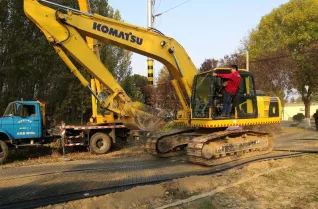
Temporary access mats improve traction and stability for:
Excavators
Cranes
Dump trucks
Utility vehicles
Drilling equipment
Tracked machinery
This allows projects to continue safely even in muddy or waterlogged conditions.
Environmental regulations are becoming stricter worldwide. Contractors working in wetlands may face penalties or project shutdowns if environmental damage occurs.
Using temporary ground protection mats demonstrates proactive environmental management and helps support compliance with:
Wetland protection regulations
Environmental impact assessments
Site restoration requirements
Sustainable construction standards
Faster Site Restoration
After project completion, mats can be removed with minimal residual damage to the landscape. This reduces restoration costs and shortens environmental recovery time.
Compared with gravel roads or permanent access structures, temporary mats provide a far more sustainable solution.
Pipeline and Utility Projects
Utility companies often need temporary access across wetlands for:
Pipeline installation
Cable laying
Transmission line maintenance
Water infrastructure projects
Ground mats create stable work platforms while protecting sensitive terrain.
Renewable Energy Construction
Wind farms and solar projects are frequently located in remote or ecologically sensitive areas. Temporary mats support equipment transportation during installation and maintenance.
Applications include:
Wind turbine crane paths
Solar farm maintenance roads
Battery storage access routes
Oil and Gas Operations
Exploration and drilling activities often require access through marshlands and unstable terrain. Ground protection mats help reduce environmental impact while maintaining operational efficiency.
Forestry and Land Management
Forestry companies use temporary mats to reduce soil disturbance during logging and land restoration activities.
This helps prevent:
Erosion
Water runoff contamination
Long-term ecosystem damage
Emergency Response and Disaster Recovery
Floods, storms, and natural disasters can make roads inaccessible. Temporary mats provide rapid deployment access for rescue teams and heavy recovery equipment.
Composite Ground Mats
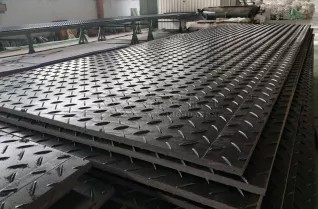
Composite mats are manufactured from high-density polyethylene (HDPE) or other engineered materials.
Advantages:
Lightweight
High load capacity
Corrosion resistant
Waterproof
Easy to clean
Long service life
Composite mats are widely preferred for environmentally sensitive projects because they do not absorb water or leach contaminants.
Timber Mats
Timber mats are traditional heavy-duty access solutions made from hardwood beams.
Advantages:
Extremely durable
Suitable for heavy loads
Effective in rugged terrain
Limitations:
Heavier transportation costs
Potential moisture absorption
Higher environmental maintenance requirements
Aluminum Mats
Aluminum mats offer high strength with lower weight compared to steel systems.
Benefits:
Reusable
Strong structural support
Suitable for repeated deployment
They are often used for temporary roadways and crane pads.
Load Capacity
Evaluate the maximum weight of vehicles and equipment using the site. Different mats are designed for light vehicles, medium-duty equipment, or extreme heavy loads.
Ground Conditions
Wetlands vary significantly in soil stability. Consider:
Mud depth
Water saturation
Peat content
Terrain slope
Drainage conditions
Soft peatlands may require thicker or interconnected mat systems.
Environmental Regulations
Some environmentally protected areas have strict material requirements. Composite mats are often preferred because they reduce contamination risks.
Installation and Transportation
Lightweight mats can reduce labor and transportation costs, especially in remote project locations.
Reusability
High-quality reusable mats provide better long-term ROI for contractors managing multiple projects.
Conduct a Site Assessment
Analyze terrain conditions before installation. Identify soft zones, water flow paths, and protected vegetation areas.
Use Proper Load Distribution
Incorrect mat placement can create concentrated pressure points. Ensure mats are installed according to engineering recommendations.
Minimize Site Traffic
Even with matting systems, unnecessary traffic should be reduced to limit environmental stress.
Monitor Environmental Conditions
Heavy rain or seasonal flooding may alter ground stability. Continuous monitoring improves safety and environmental protection.
Remove Mats Carefully
Proper removal prevents secondary ground disturbance and supports faster ecosystem recovery.
Many companies are adopting sustainability goals that prioritize environmentally responsible construction practices.
Modern temporary ground mats support sustainability by:
Reducing land damage
Lowering restoration costs
Minimizing material waste
Supporting reusable infrastructure
Protecting biodiversity
Reducing long-term ecological impact
Reusable composite mat systems also help reduce the need for permanent access roads in protected environments.
The demand for environmentally friendly access solutions continues to grow across industries.
Emerging trends include:
Advanced lightweight composite materials
Smart mat tracking systems
Higher load-bearing engineered designs
Recycled material manufacturing
Improved anti-slip surface technology
Faster modular installation systems
As environmental regulations tighten globally, temporary ground mats will become increasingly important for sustainable infrastructure development.
Temporary ground mats provide a practical and environmentally responsible solution for operating in wetlands and sensitive ecological areas. They improve equipment access, protect fragile terrain, reduce environmental impact, and help companies meet strict regulatory requirements.
Whether used for utility projects, renewable energy construction, pipeline installation, forestry operations, or emergency response, high-quality ground protection mats offer significant operational and environmental advantages.
Choosing the right temporary matting system can improve project efficiency while preserving the natural environment for future generations.

Established in 1989,located in Qingdao city of Shandong province, Shandong Ningjin Xinxing Chemical Co.,LTD. is the most professional manufacture of engineering plastics and the only manufacturer who has complete MATS system in China.
Phone
+86 189 0640 6469
Location
Liaohe Road, Ningjin Industrial Zone, Dezhou City, Shandong Province, China.
Copyright © Shandong Ningjin Xinxing Chemical Co., Ltd. All Rights Reserved |
Sitemap
| Powered by