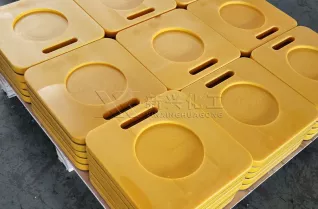
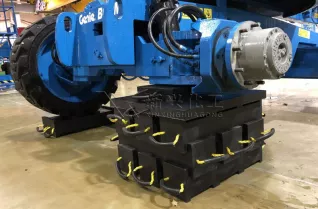
Efficient installation of Temporary Ground Mats is critical for construction projects, events, and industrial applications. Proper installation not only saves time and labor costs but also ensures site safety and protects sensitive terrain. This guide provides practical insights for contractors, site managers, and procurement professionals on how to deploy ground mats quickly and safely.
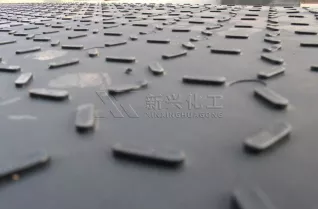
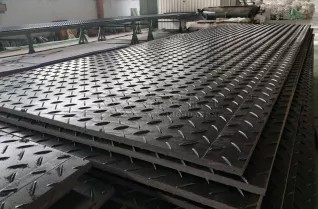
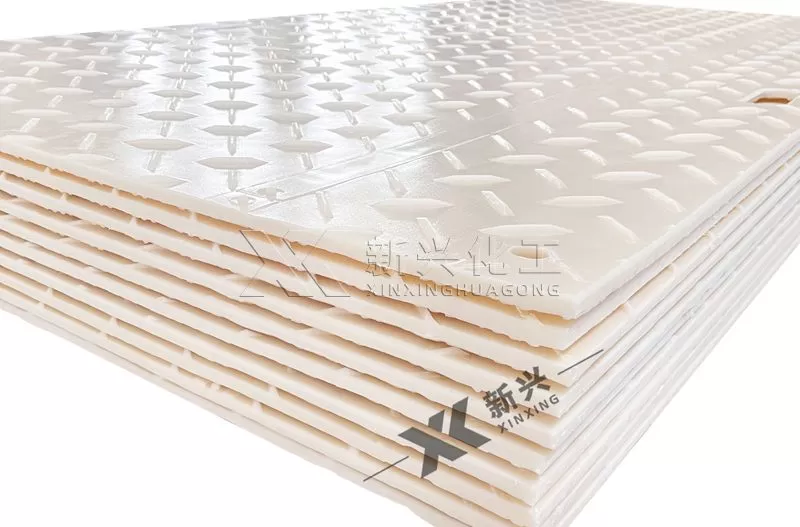
Temporary Ground Mats are heavy-duty, portable mats designed to provide a stable surface over soft, uneven, or environmentally sensitive ground. Commonly made from HDPE (high-density polyethylene), recycled plastic, or composite materials, these mats are lightweight, durable, and reusable. Some mats feature interlocking edges for enhanced stability, while others are reinforced with steel for high-load applications.
Why Proper Installation Matters
Incorrect installation can lead to:
Machinery accidents due to uneven surfaces
Damage to sensitive terrain
Increased labor and downtime
Shortened lifespan of the mats
Installing mats correctly ensures that they provide maximum support, stability, and safety.
1. Site Assessment and Preparation
Survey the area to identify uneven terrain, soft spots, and environmental restrictions.
Clear debris, large rocks, and vegetation that could damage the mats or create uneven surfaces.
For wet or marshy areas, consider laying a base layer of gravel or geotextile to enhance stability.
2. Select the Right Mats
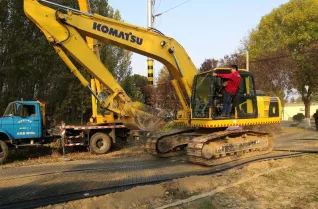
Match mats to the weight and type of machinery used on-site.
Choose the correct size and interlocking design for the project. For large sites, mats like 3000*2500mm reduce the number of pieces and speed up installation.
3. Plan the Layout
Determine the route for vehicles, heavy machinery, and foot traffic.
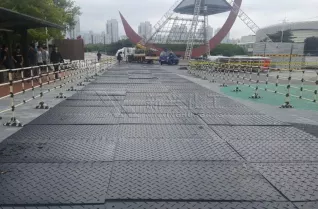
Arrange mats in continuous rows, with interlocking edges aligned for stability.
Leave access points for cranes, forklifts, or installation equipment.
4. Use Proper Handling Equipment
Heavy mats may require forklifts, cranes, or pallet jacks for safe placement.
Avoid manual handling of large mats without proper lifting tools to prevent injuries.
Always follow the manufacturer’s guidelines for lifting and placement.
5. Place Mats Carefully
Position mats side by side, ensuring no gaps or overlaps that could create tripping hazards.
Interlock mats if applicable, to form a stable continuous surface.
Check the alignment with construction site plans and machinery paths.
6. Secure Mats if Necessary
For sloped or windy areas, use stakes or tie-downs to prevent mats from shifting.
Ensure mats remain flat and level, especially under heavy equipment loads.
7. Inspection and Testing
Conduct a walk-through inspection before allowing machinery on the mats.
Test mats under light loads to ensure stability and even weight distribution.
Make adjustments as needed to avoid uneven surfaces or loose sections.
Safety Tips During Installation
Always wear PPE (personal protective equipment) such as gloves, safety boots, and helmets.
Keep workers clear of heavy machinery during mat placement.
Avoid stacking mats too high during transport to prevent tipping.
Follow manufacturer recommendations for maximum load capacity.
Time and Labor Efficiency
Proper planning and equipment use significantly reduce installation time, minimizing downtime for construction or events.
Enhanced Safety
Correctly installed mats prevent machinery accidents, worker injuries, and slips or trips on unstable ground.
Prolonged Mat Lifespan
Avoids unnecessary wear or damage, making mats reusable for multiple projects.
Environmental Protection
Minimizes soil compaction, erosion, and damage to sensitive terrain.
Applications Where Installation Speed Matters
Construction Sites: Quick deployment for machinery and temporary access roads.
Oil & Gas Fields: Rapid setup in remote locations.
Events & Festivals: Temporary walkways and stages for large crowds.
Emergency or Disaster Sites: Fast installation for rescue vehicles and temporary access.
Installing Temporary Ground Mats quickly and safely requires careful planning, the right equipment, and adherence to best practices. Proper installation ensures site safety, protects sensitive terrain, and maximizes efficiency, making your investment in ground mats cost-effective and long-lasting.
By combining site assessment, proper mat selection, and safe handling procedures, contractors can create a stable, durable, and safe working surface for any project.

Established in 1989,located in Qingdao city of Shandong province, Shandong Ningjin Xinxing Chemical Co.,LTD. is the most professional manufacture of engineering plastics and the only manufacturer who has complete MATS system in China.
Phone
+86 189 0640 6469
Location
Liaohe Road, Ningjin Industrial Zone, Dezhou City, Shandong Province, China.
Copyright © Shandong Ningjin Xinxing Chemical Co., Ltd. All Rights Reserved |
Sitemap
| Powered by