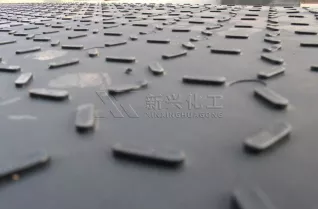
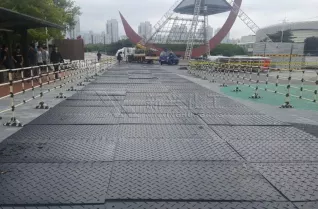
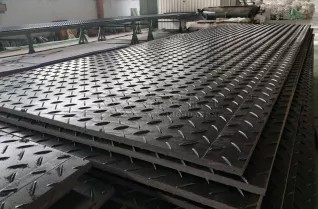
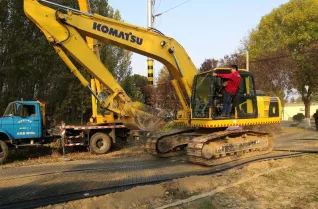
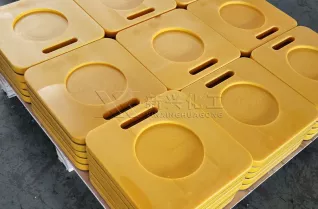
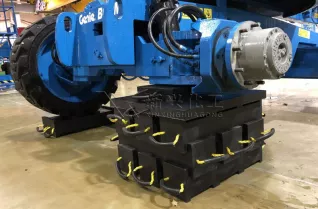
Crane operations in the oil and gas industry present unique challenges due to the combination of heavy equipment, remote locations, variable terrain, and strict safety requirements. Crane outrigger pads are essential in these environments to provide stability, distribute load, and protect sensitive ground surfaces. Choosing the right pads and deploying them correctly can prevent accidents, equipment damage, and project delays.
This article explores how crane outrigger pads are used specifically in oil and gas projects, the key considerations for selection, and best practices for ensuring both operational efficiency and safety compliance.
Oil and gas projects often take place on uneven, soft, or environmentally sensitive terrain, including desert sands, wetlands, reclaimed areas, and offshore platforms. Crane operations in these areas involve lifting extremely heavy modules, pipe sections, and equipment with complex crane configurations. Without proper outrigger support, cranes can experience tipping, ground penetration, or structural failure.
Crane outrigger pads serve multiple functions in these scenarios:
Distributing heavy crane loads over a larger ground area
Reducing ground settlement or soil compaction
Providing a non-slip, level surface for crane outriggers
Protecting the environment from damage, especially in sensitive areas such as wetlands or oilfield reclaimed sites
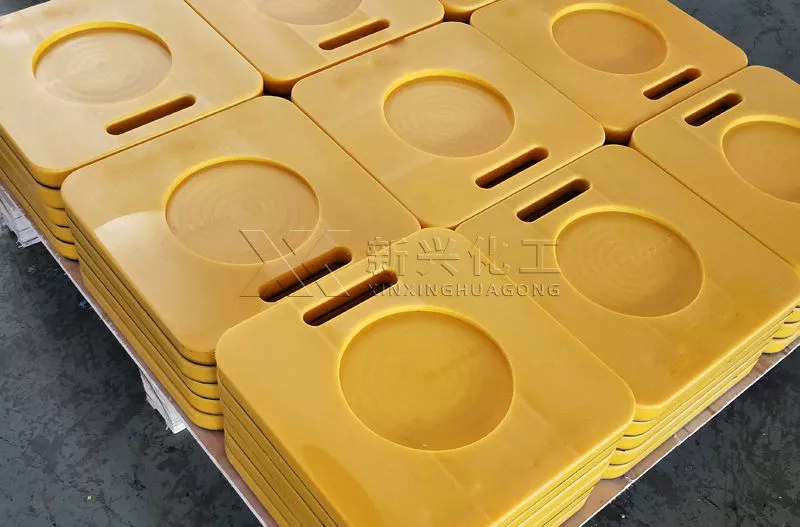
Crane outrigger pads are used throughout oil and gas operations, from upstream exploration to downstream processing installations. Key applications include:
Pipeline Construction: Lifting and placing heavy pipe sections across uneven or soft terrain. Outrigger pads provide stability, preventing cranes from sinking into soil or sand and reducing the risk of tipping.
Rig Assembly and Maintenance: Cranes are often required to lift modules, derrick sections, and service equipment. Pads create a stable base for mobile cranes or crawler cranes, ensuring safe and precise placement of critical components.
Offshore and Onshore Modules: In onshore facilities, crane pads protect concrete foundations or reclaimed areas from heavy outrigger loads. In offshore projects, portable pads support temporary crane operations on decks, jetties, or platforms.
Tank Erection and Heavy Equipment Installation: Large tanks and process equipment require accurate positioning and safe lifting. Outrigger pads help distribute weight across soft ground or fill material, preventing soil failure and improving operator confidence.
Selecting the right crane outrigger pad is critical for project success. Important factors include:
Load Capacity: Oil and gas lifting operations often involve extremely high loads. Pads must be rated for both static and dynamic loads, including the additional forces generated during crane slewing, boom extension, and wind exposure.
Ground Conditions: Pads should be selected based on terrain type. HDPE pads are suitable for most soft soils and reclaimed areas, while composite or steel reinforced pads may be required for very heavy loads or sloped surfaces.
Environmental Resistance: Pads exposed to oil, chemicals, or extreme temperatures must maintain structural integrity. UV-resistant HDPE and composite pads with chemical-resistant coatings are commonly preferred.
Size and Modularity: Larger pads or modular pad systems allow distribution of weight over a wider area, reducing ground pressure and minimizing soil disturbance. For remote or offshore locations, lightweight modular pads simplify transport and installation.
Compliance and Certification: Pads used in oil and gas projects must meet industry safety standards and provide manufacturer documentation for load ratings, environmental resistance, and quality assurance. Compliance with client or regulatory requirements is critical to avoid project delays or penalties.
Many accidents in oil and gas crane operations result from improper pad usage rather than pad failure. Common mistakes include:
Using undersized pads that do not adequately distribute the crane load
Ignoring ground assessment, leading to subsurface collapse or soil penetration
Improper placement on uneven or sloped terrain
Stacking incompatible pads without interlocking mechanisms
Using damaged or worn pads that reduce stability
Avoiding these mistakes requires proper planning, site assessment, and adherence to manufacturer and industry guidelines.
The oil and gas sector increasingly relies on advanced materials and intelligent design for crane outrigger pads:
High Strength Composite Pads: Combining HDPE with reinforcing fibers allows higher load capacity with lighter weight.
Interlocking Modular Systems: Provide stability on slopes or soft ground without stacking hazards.
Smart Pads with Sensors: Embedded sensors can monitor load distribution in real time, alerting operators to uneven ground pressure or overloading.
Environmentally Friendly Materials: Biodegradable or recyclable pads are gaining attention to reduce environmental impact in sensitive oilfield operations.
Crane outrigger pads are indispensable in oil and gas projects, ensuring safe lifting operations, protecting ground surfaces, and enabling efficient project execution. Selecting the right pad material, size, and design, combined with proper placement and site assessment, reduces accident risk and protects both personnel and equipment.
For procurement managers and site engineers, investing in high-quality, compliant crane outrigger pads is not just a safety decision but a strategic move to improve project efficiency, reduce downtime, and maintain regulatory compliance across complex oil and gas operations.

Established in 1989,located in Qingdao city of Shandong province, Shandong Ningjin Xinxing Chemical Co.,LTD. is the most professional manufacture of engineering plastics and the only manufacturer who has complete MATS system in China.
Phone
+86 189 0640 6469
Location
Liaohe Road, Ningjin Industrial Zone, Dezhou City, Shandong Province, China.
Copyright © Shandong Ningjin Xinxing Chemical Co., Ltd. All Rights Reserved |
Sitemap
| Powered by