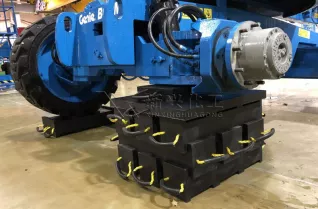
Crane outrigger pads are a critical safety component in lifting operations, yet many crane accidents, ground failures, and equipment damages still occur due to improper pad usage rather than pad quality itself. Industry incident reports and best-practice guidelines consistently show that incorrect selection, placement, or handling of crane outrigger pads significantly increases the risk of crane instability, ground collapse, and costly downtime.
Understanding the most common mistakes when using crane outrigger pads helps buyers, operators, and safety managers improve lifting performance, reduce liability, and extend the service life of both cranes and ground protection equipment.
One of the most frequent and dangerous mistakes is choosing crane outrigger pads that are too small for the load being applied. Many operators assume that as long as a pad fits under the outrigger foot, it is sufficient. In reality, pad size directly affects ground bearing pressure.
When the pad surface area is too small, the load is concentrated into a limited ground contact zone. This can cause soil failure, pad sinking, or sudden crane tilting, especially on soft ground, backfilled areas, or recently disturbed soil. Even high-strength pads cannot compensate for insufficient contact area.
Proper pad sizing should always be based on crane load charts, outrigger reaction forces, and actual ground conditions rather than visual judgment alone.
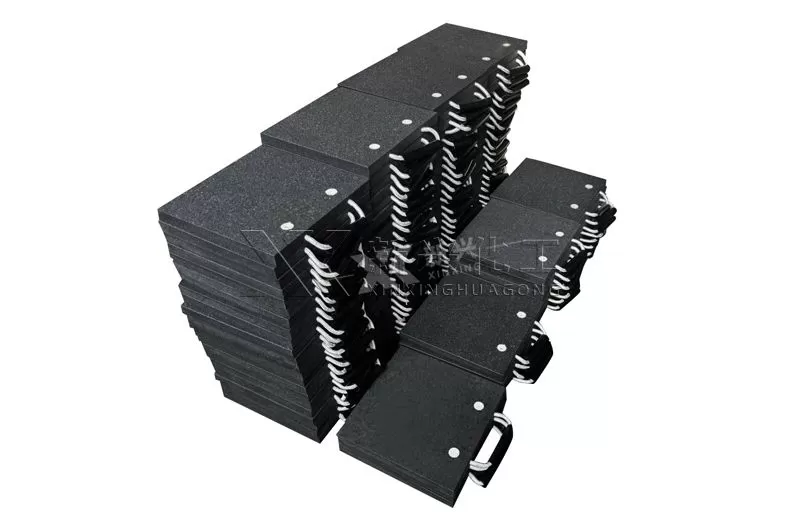
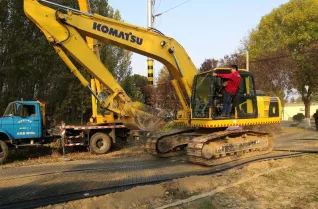
Another common mistake is treating all ground surfaces as equal. Concrete, compacted gravel, clay soil, sand, and grass-covered terrain all behave differently under load. Many crane operators place outrigger pads directly on the ground without evaluating soil bearing capacity, moisture content, or subsurface stability.
Wet soil, frozen ground during thaw periods, and layered fill materials are particularly risky. Even large crane outrigger pads can fail if the underlying soil structure cannot support the applied pressure. In many accidents, the pad itself remains intact while the ground beneath collapses.
Best practice requires basic ground assessment before pad deployment, especially on construction sites, roadside lifts, utility projects, and undeveloped land.
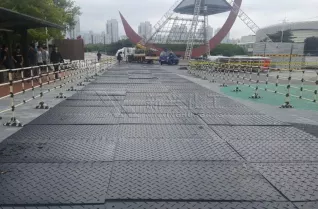
Improper pad positioning is another overlooked issue. Crane outrigger pads must be placed squarely under the outrigger float, fully centered, and level. Partial contact, angled placement, or positioning on sloped terrain reduces load distribution efficiency and creates uneven stress points.
Placing pads across trenches, utility lines, or voids beneath the surface is particularly dangerous. These hidden weaknesses often lead to delayed ground failure after lifting has already begun, increasing the severity of incidents.
Correct placement requires not only visual alignment but also awareness of subsurface hazards and slope direction.
Some operators stack smaller crane outrigger pads to achieve greater height or surface area. While stacking may appear convenient, it introduces instability if pads are not designed to interlock or stack safely.
Improper stacking can cause pads to shift laterally under load, reducing effective surface contact and increasing tipping risk. Most manufacturers specify whether their crane outrigger pads are stackable and under what conditions stacking is allowed.
Using a single correctly sized pad is always safer than stacking multiple pads without engineered locking features.
Crane outrigger pads are often reused across multiple job sites, which makes regular inspection essential. Cracked surfaces, deep gouges, excessive wear, or warped pads reduce structural integrity and load distribution capability.
A common mistake is continuing to use visibly damaged pads because they appear “good enough.” In reality, internal stress fractures or material fatigue may already compromise performance. Under heavy loads, damaged pads are more likely to deform unevenly or fail unexpectedly.
Routine inspection and timely replacement are critical parts of safe lifting operations and should be factored into procurement decisions.
Not all crane outrigger pads perform equally across environments. Selecting the wrong material is another frequent issue. For example, steel pads may offer high strength but can damage finished surfaces and are prone to corrosion. Timber pads may absorb moisture, rot over time, and deliver inconsistent load performance.
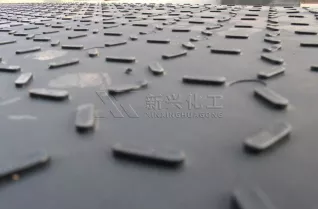
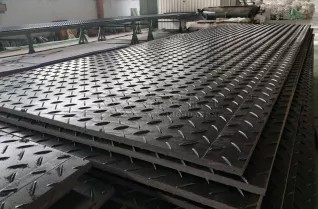
HDPE crane outrigger pads are widely used because they provide high load capacity, consistent performance, resistance to moisture, and minimal ground damage. However, not all HDPE pads are the same, and load ratings, thickness, and manufacturing quality vary significantly.
Buyers should match material selection to application conditions, load requirements, and environmental exposure.
Many lifting plans only consider static crane loads, ignoring dynamic forces generated during slewing, boom extension, wind loads, or sudden stops. These forces can significantly increase outrigger reactions beyond calculated static values.
Crane outrigger pads that are marginally sized for static loads may fail when exposed to dynamic movement. This is particularly relevant in wind turbine installation, infrastructure projects, and urban lifting where precision movement is required.
Accounting for dynamic loading ensures that pad selection includes an adequate safety margin.
Even high-quality crane outrigger pads cannot compensate for improper use caused by insufficient training. Inconsistent practices across crews, lack of standardized procedures, and reliance on experience rather than data are common contributors to accidents.
Organizations that treat outrigger pad deployment as a routine task rather than a safety-critical operation often overlook key steps such as ground assessment, pad inspection, and load verification.
Establishing standardized guidelines and training operators on correct pad usage significantly reduces risk and improves job site safety culture.
Certain projects require compliance with specific safety standards, engineering guidelines, or client regulations. A frequent procurement mistake is purchasing crane outrigger pads without verifying certification, load documentation, or compatibility with project requirements.
Rental companies and contractors operating across multiple regions may face compliance issues if pads do not meet local or industry standards. This can lead to project delays, failed inspections, or contractual penalties.
Selecting crane outrigger pads with clear load ratings, manufacturer documentation, and proven performance records reduces compliance risks.
Most crane accidents related to outrigger failure are not caused by defective equipment but by preventable usage mistakes. Choosing the wrong size, ignoring ground conditions, improper placement, and lack of inspection all increase operational risk and undermine lifting safety.
For buyers and decision-makers, understanding these common mistakes provides valuable insight into smarter procurement, better training, and safer lifting operations. High-quality crane outrigger pads, when correctly selected and properly used, significantly enhance stability, protect ground surfaces, and support efficient, compliant crane operations across industries.
Investing in the right crane outrigger pads is not just a cost decision but a critical safety and risk management strategy.

Established in 1989,located in Qingdao city of Shandong province, Shandong Ningjin Xinxing Chemical Co.,LTD. is the most professional manufacture of engineering plastics and the only manufacturer who has complete MATS system in China.
Phone
+86 189 0640 6469
Location
Liaohe Road, Ningjin Industrial Zone, Dezhou City, Shandong Province, China.
Copyright © Shandong Ningjin Xinxing Chemical Co., Ltd. All Rights Reserved |
Sitemap
| Powered by