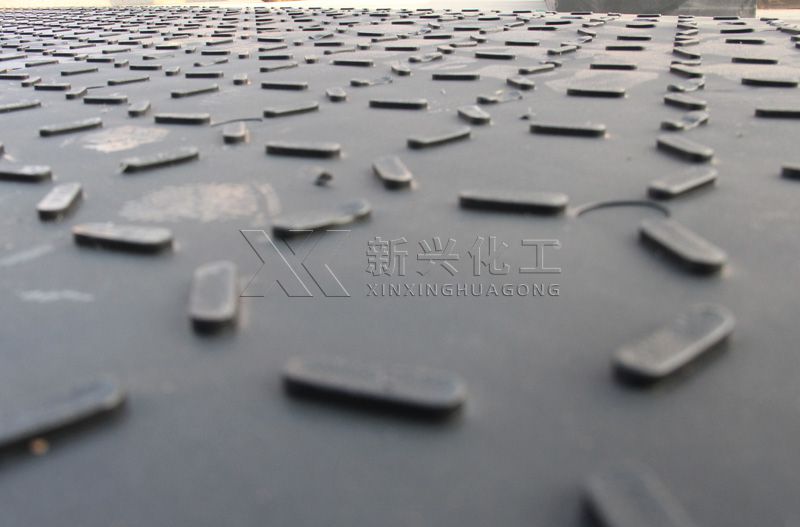
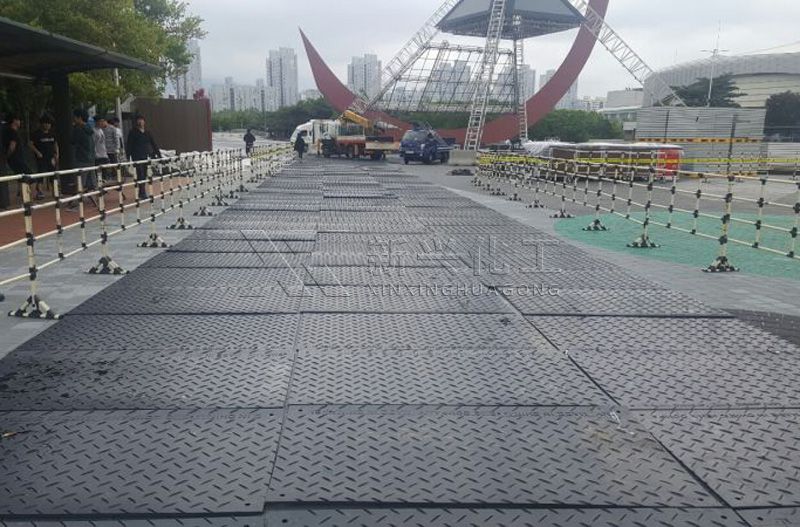
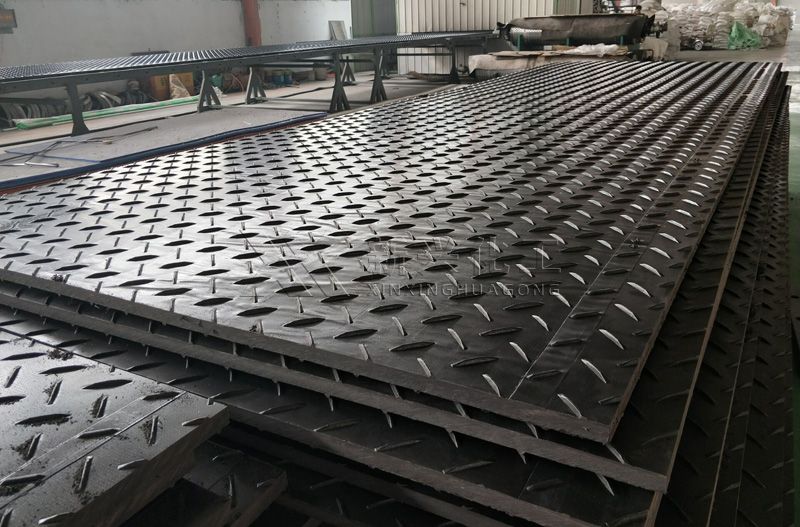
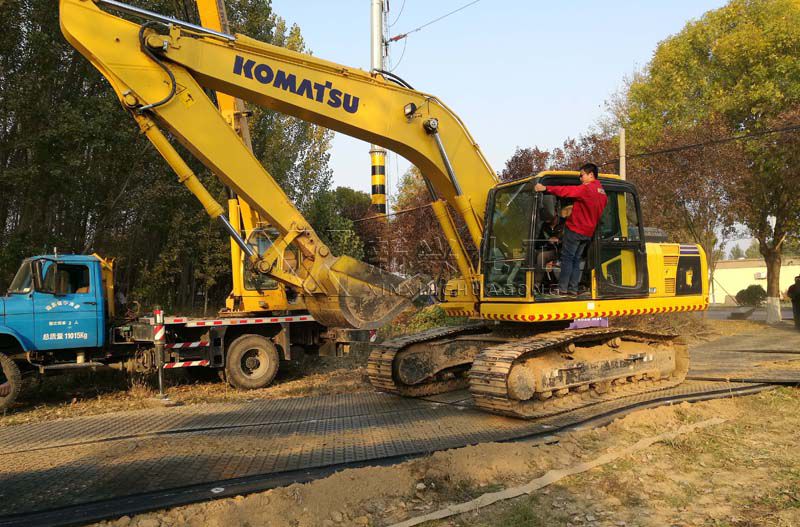
Recycled HDPE temporary ground mats are generally the most practical choice for reusable access routes and heavy equipment, while rubber mats, wood panels, composite systems, and permanent grids serve different site conditions. In my comparison of HDPE vs. recycled plastic temporary ground mats, I focus on ground condition, equipment load, tire pressure, traffic frequency, traction, deployment duration, installation method, environmental sensitivity, and lifecycle cost. These factors matter more than the material label alone.
A contractor choosing between materials should first distinguish temporary surface protection from permanent ground reinforcement. Temporary ground mats sit above the soil to distribute vehicle loads, reduce rutting, improve access, and protect turf or finished surfaces. Permanent grids are installed into the ground and filled with aggregate, while recovery mats are mainly designed for traction and vehicle extraction rather than repeated roadway traffic.
!
I compare temporary ground mats across five practical categories: structural performance, surface traction, handling requirements, environmental impact, and total cost of ownership. A mat must distribute wheel and outrigger loads without excessive bending, cracking, sinking, or connection failure. It should also match the ground surface, because a mat suitable for compacted gravel may perform poorly on saturated clay or organic soil.
The evaluation should include the mat’s dimensions, thickness, weight, working load guidance, bending behavior, connector design, and warranty terms. I also review whether the supplier provides test documentation, installation instructions, replacement connectors, and technical support. For repeated projects, I calculate the cost per deployment rather than comparing only the original purchase price.
HDPE is a polymer category, while recycled plastic describes the source of the material. A mat made from recycled plastic may contain recycled HDPE, mixed polyolefins, post-industrial material, or post-consumer material. Therefore, “HDPE” and “recycled plastic” are not always direct opposites; the buyer must request the resin type, recycled-content percentage, manufacturing process, and test data.
| Factor | Virgin HDPE | Recycled HDPE or recycled plastic | Practical buying implication |
|---|---|---|---|
| Material consistency | Usually more consistent between production batches | Can vary with feedstock and processing controls | Request batch specifications and test results |
| Load behavior | Predictable when thickness and formulation are controlled | Suitable for many access applications, but product-specific data matters | Compare published load guidance rather than material labels |
| Surface traction | Depends mainly on tread pattern and soil contact | Also depends on tread pattern, cleat height, and wet-ground design | Review traction design separately from resin type |
| Weight | Determined by dimensions and thickness | Determined by dimensions and thickness | Compare handling labor and transport cost |
| Reuse potential | Commonly reusable across multiple projects | Reusable when protected from severe damage and inspected | Include cleaning, storage, and connector replacement |
| Environmental profile | Does not use recycled feedstock | Reduces demand for new polymer feedstock | Request recycled-content and end-of-life information |
| Price | Often higher when material and specification are tightly controlled | Often competitive for temporary access systems | Compare total cost rather than purchase price alone |
In practice, recycled HDPE can provide adequate strength and service life for construction access, landscaping, utility work, event venues, and energy projects when the formulation and design are controlled. Recycled content may affect consistency if the supplier does not sort, filter, and process the feedstock carefully. I would not approve a product solely because it is labeled recycled; I would ask for load guidance, thickness, weight, dimensional tolerance, connector performance, and evidence of quality-control testing.
Virgin HDPE is useful when a project requires narrow specification control, repeated exposure to demanding loads, or documented material consistency. Recycled plastic is often more attractive when the project prioritizes reuse, lower material impact, and a controlled purchase price. The correct decision depends on the finished mat’s engineering data, not the resin description alone.
HDPE mats are commonly selected for temporary roadways, work platforms, pedestrian access, and vehicle routes. They resist water absorption, can be cleaned between deployments, and are available with molded cleats or textured surfaces. Their main limitations are surface slipperiness when the tread design is inadequate, bending under concentrated loads, and connector damage caused by poor alignment or aggressive equipment movement.
Recycled plastic mats can provide similar functional benefits when they use a controlled formulation and sufficient thickness. Their environmental benefit is strongest when the mats are reused for several project cycles and can be recovered or recycled at the end of service. I would request the percentage of recycled content, whether it is post-industrial or post-consumer, and whether the product is made from a single polymer family.
Rubber mats are flexible and can provide strong contact on uneven ground, temporary walkways, and areas requiring impact absorption. They are usually heavier than plastic mats of similar coverage, which increases transport and handling labor. Rubber can be a practical choice for traction or vibration control, but it may not be the most efficient option for long access roads requiring frequent relocation.
Wood mats remain common for heavy construction and pipeline access because they can distribute large loads across broad footprints. Their disadvantages include water absorption, rot, splintering, variable condition, crane or forklift handling requirements, and disposal or repair costs. Wood may work well for a short, high-load installation when local handling equipment is already available, but it requires more inspection than many plastic systems.
Composite mats combine polymers, fiberglass, or other structural materials to create panels for repeated roadway and platform use. They may offer organized connector systems, predictable dimensions, and a surface designed for vehicles or pedestrians. Composite systems can cost more initially, so I would reserve them for projects where repeated deployment, controlled installation, and long service life justify the investment.
For heavy equipment, I start with the maximum gross vehicle weight, axle load, wheel load, tire pressure, turning frequency, and expected number of passes. A 25-ton excavator traveling straight across a mat route creates a different demand from a 25-ton machine turning repeatedly on wet clay. Concentrated loads from cranes, outriggers, stabilizers, and loaded dump trucks require separate analysis from ordinary vehicle traffic.
The soil also controls performance. On firm gravel, a thinner mat may provide adequate surface protection, while saturated clay, peat, loose fill, or recently disturbed soil may require thicker panels, a wider roadway, geotextile separation, or a prepared subbase. A mat distributes load; it does not eliminate the need to assess bearing capacity or drainage.
| Project condition | Preferred evaluation focus | Likely material direction |
|---|---|---|
| Short event on sensitive turf | Low surface damage, quick handling, low ground pressure | Plastic, rubber, or turf-protection systems |
| Repeated construction traffic | Load distribution, connectors, cleaning, reuse | Recycled HDPE, virgin HDPE, or composite |
| Saturated clay or muddy terrain | Traction, panel stiffness, subbase, drainage | Textured HDPE, composite, or engineered roadway system |
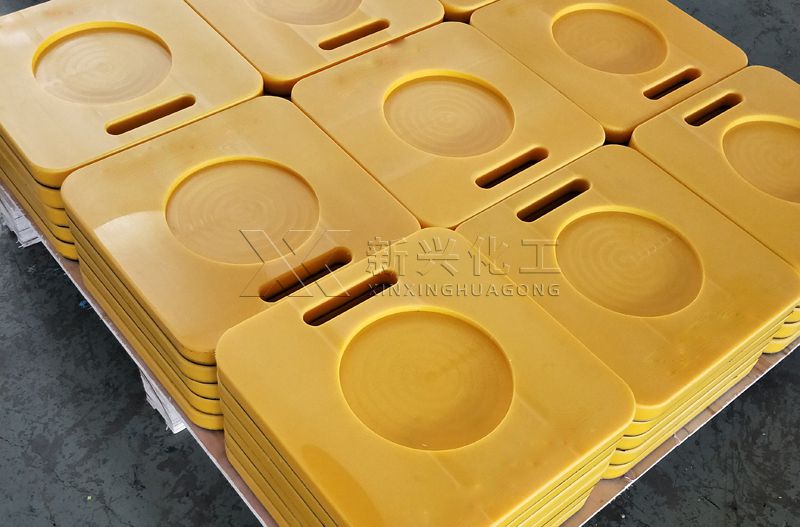
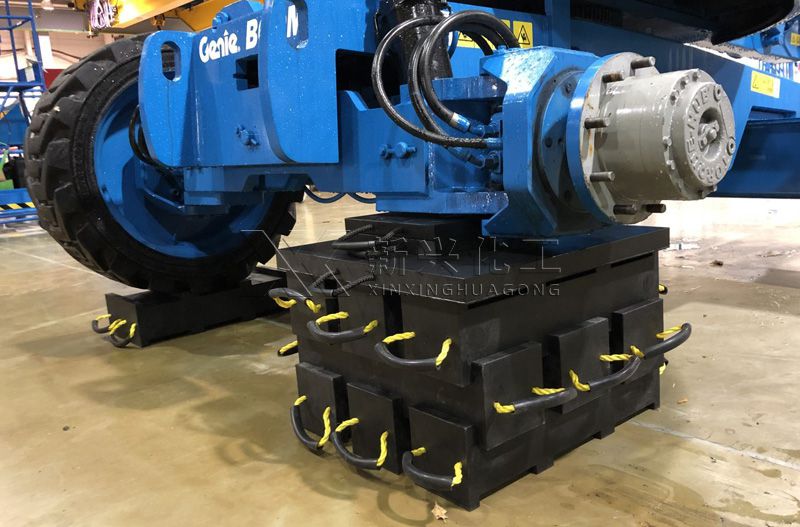
| Crane or outrigger work | Concentrated load and deflection control | Dedicated outrigger pads or structural mats |
| Temporary utility access | Relocation speed, vehicle traction, storage | Lightweight plastic or linked mat systems |
| Long-duration access road | Repair cycle, connection integrity, lifecycle cost | Composite or heavy-duty plastic roadway panels |
For temporary ground mats for heavy equipment, I would not rely on a generic “maximum load” figure without understanding the test condition. Ask whether the rating applies to a static load, rolling wheel load, distributed load, or point load. Also ask whether the figure assumes compacted soil, level support, a specific temperature range, or a particular mat layout.
The main recycled plastic ground mat benefits are material recovery, repeat use, resistance to water absorption, and reduced dependence on virgin polymer feedstock. A well-designed recycled mat can be cleaned, inspected, stored, and redeployed across construction, energy, landscaping, event, and utility projects. These benefits become more significant when the same inventory is used many times instead of being discarded after one installation.
Recycled plastic mats also support a more measurable purchasing policy. I would record the recycled-content percentage, expected service period, number of deployments, repair rate, and end-of-life route. This produces better environmental data than simply selecting a product with a recycled label.
The limitations should be stated clearly. Recycled feedstock can produce greater batch variation if the supplier lacks consistent sorting and processing controls. Color, surface appearance, dimensional stability, impact resistance, and stiffness may vary between products, so the purchaser should compare actual technical data and sample panels before placing a large order.
When I compare suppliers, I review product dimensions, thickness, unit weight, working-load guidance, tread profile, connector options, replacement parts, warranty duration, production capacity, and delivery terms. I also ask whether the supplier can provide custom size, thickness, color, logo, or joining systems. These details affect installation time and the ability to expand a temporary roadway later.
XINXINGHUAGONG, associated with XINXING ground protection products, presents product categories that include polyethylene ground mats, temporary ground mats, mobile roadway mats, crane outrigger pads, and cribbing blocks. Its published product range includes large-format panels such as 4,000 by 2,000 millimeters and 5,800 by 2,000 millimeters, as well as different joining systems. I would still request project-specific load information, resin details, connector drawings, warranty terms, and delivery availability before comparing the quotation with other manufacturers.
Indicative market pricing varies widely by size, thickness, material formulation, surface pattern, connector system, order volume, and freight distance. Lightweight pedestrian or turf panels may cost approximately $80 to $250 per panel, while larger heavy-duty roadway mats may range from $250 to more than $1,000 per panel. Rental pricing can range from roughly $0.50 to $3.00 per square foot per deployment, excluding transport, installation, cleaning, and removal.
These figures should be treated as budgeting ranges rather than quotations. A proper request for proposal should separate product price, connectors, pallets, loading, inland transport, ocean or domestic freight, installation labor, rental duration, cleaning, damage charges, and return freight. Suppliers such as XINXINGHUAGONG and other established mat manufacturers should be compared using the same panel size, load scenario, delivery point, and commercial terms.
I calculate total cost of ownership with this formula: purchase cost plus transport, installation labor, cleaning, storage, repairs, connector replacement, and disposal, minus resale value or rental revenue. For rental fleets, I divide the total cost by the number of paid deployments and usable square feet delivered per cycle. This shows whether a more expensive panel earns back its cost through longer service life or better utilization.
For example, a contractor purchasing 1,000 square feet of mats should estimate loading and unloading hours, equipment required for placement, cleaning time after muddy work, and the percentage likely to be damaged each year. A mat that costs 20 percent more but reduces installation labor by 30 percent may have a lower project cost. Conversely, a heavy panel with a low purchase price may become expensive when every relocation requires a crane or forklift.
Reuse depends on inspection discipline. Before each deployment, I would check cracks, permanent deformation, exposed reinforcement, damaged cleats, connector holes, and contamination. Mats used near chemicals, fuels, saltwater, or extreme heat may require additional compatibility review, while mats stored outdoors should be protected from unnecessary ultraviolet exposure and mechanical damage.
Temporary surface mats are portable panels placed over existing soil, turf, gravel, pavement, or finished surfaces. Their purpose is to distribute traffic loads and protect the surface during a defined project period. They can be removed, cleaned, stacked, and reused after the work is complete.
Permanent ground-reinforcement grids are different because they become part of the installed ground structure. They are usually combined with aggregate or soil and are selected for long-term stabilization, drainage, or erosion control. Access-road panels are also different from recovery mats: roadway panels support repeated traffic, while recovery mats focus on short-distance traction for vehicles that are stuck or losing grip.
This distinction prevents a common purchasing error. A recovery mat may have an aggressive tread but insufficient structural area for repeated heavy-truck traffic. A roadway panel may carry repeated vehicle loads but provide less immediate grip in deep mud. The application, not the product name, should determine the specification.
Choose recycled HDPE when the project requires reusable temporary access, moderate-to-heavy vehicle traffic, water resistance, manageable handling, and a measurable recycled-content objective. Choose virgin HDPE when batch consistency, documented material control, or demanding service conditions justify a higher material cost. Choose rubber when flexibility, impact absorption, or close contact with irregular surfaces matters more than low transport weight.
Choose wood when a local supplier can provide large structural mats, handling equipment is already available, and the project needs short-term load distribution across weak ground. Choose composite panels when the route will be installed repeatedly, connection performance matters, and the project can support a higher initial investment. For cranes and outriggers, use dedicated pads or structural mats rated for concentrated loads rather than ordinary access panels.
My final recommendation is to compare the full system: mat material, thickness, tread, connectors, subbase, installation equipment, traffic pattern, repair plan, and end-of-life route. Comparing HDPE vs. Recycled Plastic Temporary Ground Mats is most useful when the decision is tied to equipment weight, axle load, tire pressure, ground bearing capacity, climate, traffic frequency, deployment duration, and total cost. In many reusable construction and utility applications, recycled HDPE provides the most balanced option, while virgin HDPE, rubber, wood, or composite mats may be better when their specific performance advantages match the site conditions.
Established in 1989,located in Qingdao city of Shandong province, Shandong Ningjin Xinxing Chemical Co.,LTD. is the most professional manufacture of engineering plastics and the only manufacturer who has complete MATS system in China.
Phone
+86 189 0640 6469
Location
Liaohe Road, Ningjin Industrial Zone, Dezhou City, Shandong Province, China.
Copyright © Shandong Ningjin Xinxing Chemical Co., Ltd. All Rights Reserved |
Sitemap
| Powered by