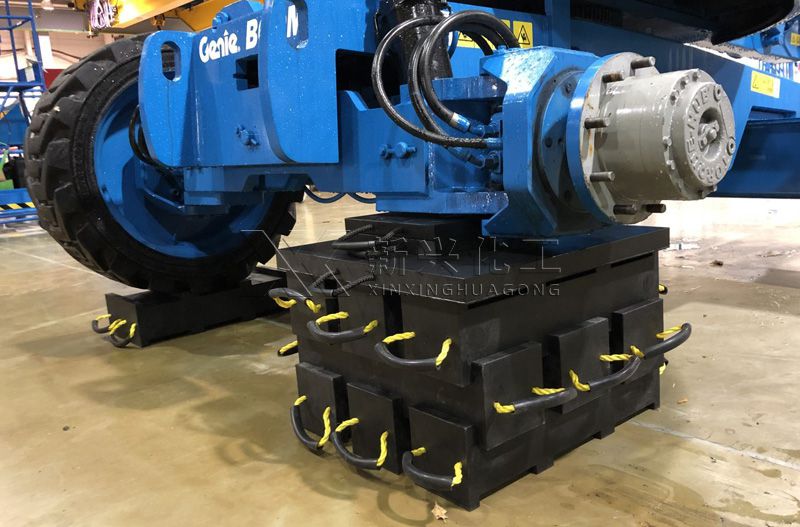
I extend the service life of temporary ground mats by controlling seven factors: material selection, loading, handling, terrain, weather, chemical exposure, and traffic frequency. A practical program includes inspection before deployment, correct installation, routine cleaning, controlled lifting, traffic planning, post-project washing, and protected storage. These measures reduce cracking, warping, surface wear, edge damage, contamination, and premature replacement.
Temporary ground mats distribute vehicle and equipment loads across soft or sensitive surfaces. Their performance depends on load capacity, weight distribution, joint alignment, ground conditions, and the condition of each mat. In this guide, I explain how to extend the lifespan of your temporary ground mats for construction sites, events, energy projects, landscaping work, and repeated deployments.
!
The most reliable method is a controlled seven-part process: select the correct mat, prevent overload, handle mats correctly, clean them after use, inspect before redeployment, rotate high-traffic units, and store them away from sunlight and standing water. I also record damage by mat number so that repairable units are separated from mats that should be removed from service. This approach turns temporary ground mat maintenance into a repeatable operating procedure rather than an occasional cleaning task.
I begin by matching the mat type to the equipment, surface, and project duration. Heavy duty access mats for vehicles and equipment normally require greater thickness, stronger reinforcement, or a higher stated load capacity than pedestrian mats or lightweight turf protection mats. HDPE and composite mats are commonly selected for repeated use because they resist moisture and can be cleaned between projects, while timber, plywood, rubber, and turf mats serve different load and surface-protection requirements.
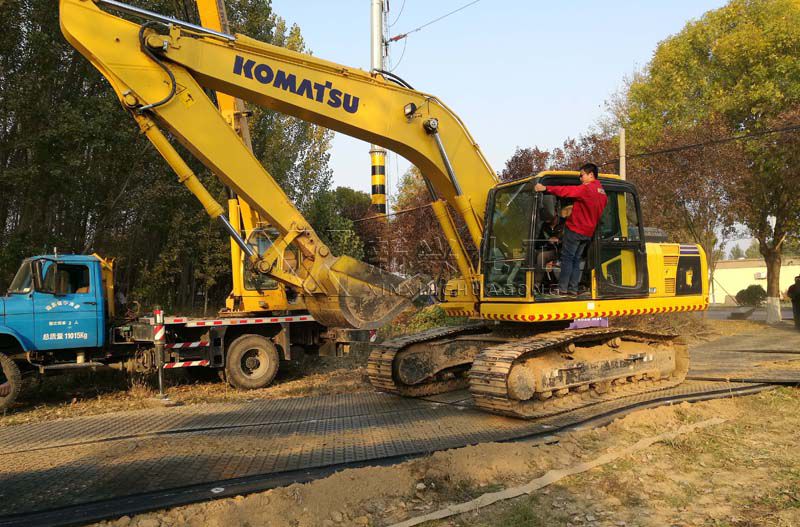
The stated load rating is only useful when the ground is properly prepared and the load is distributed across the mat. I review axle loads, wheelbase, turning movements, outrigger reactions, tracked equipment weight, and the number of daily passes. If a crane, forklift, dump truck, or excavator exceeds the manufacturer’s rating, I do not compensate by adding a damaged mat underneath it; I specify a suitable mat system or engineered support arrangement.
Overloading creates permanent bending, crushed edges, cracking, and connection failure. Repeated turning is also damaging because tires and tracks generate lateral forces that are higher than straight-line travel. I use low-speed travel, avoid sharp turns where possible, and keep vehicles on a defined route so that wear is distributed instead of concentrated on a small group of mats.
Where the ground is saturated or uneven, I improve drainage before installation and remove voids beneath the mats. A mat suspended over a hollow can flex repeatedly until it develops fatigue damage, even when the equipment weight is within the nominal rating. On very soft ground, I may use a prepared subgrade, geotextile separation layer, additional mats, or a thicker composite system according to the project engineer’s instructions.
I use the designed lifting points, straps, hooks, or mat-handling equipment instead of dragging mats behind vehicles. Dragging can abrade the underside, catch edges on rocks, bend connectors, and create hidden damage that is difficult to see during a quick visual check. For large mats, two or more lifting points help keep the panel balanced and reduce uncontrolled twisting.
Before lifting, I clear mud and debris from connection areas and confirm that straps and lifting hardware are rated for the mat weight. I place mats on stable supports rather than dropping them onto hard surfaces. When mats are moved by forklift, I keep the forks centered and fully beneath the panel to prevent flexing and edge impact.
I clean temporary ground mats as soon as practical after removal, especially when they have been exposed to clay, gravel, concrete residue, oil, salt, or deicing chemicals. Mud and aggregate trapped in cleats can increase wear during the next installation, while chemicals may affect certain polymers, coatings, timber treatments, rubber compounds, or connector materials. For routine cleaning, I use water, a soft or medium brush, and a neutral detergent approved for the mat material.
I avoid aggressive solvents, open flames, abrasive blasting, and excessively high-pressure washing close to edges, joints, labels, or lifting points. After washing, I allow the mats to drain and dry before stacking them. A simple cleaning record should identify the project, date, number of mats cleaned, visible damage, and any chemical exposure that requires further assessment.
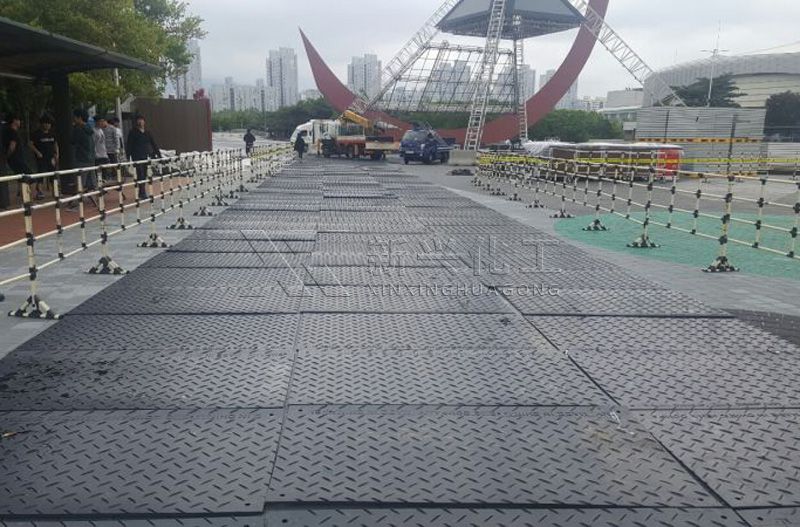
I schedule maintenance according to project risk instead of using one interval for every site. Short-duration events with pedestrian traffic may need inspection at installation, after the event, and during removal. Construction sites with heavy vehicles generally require checks at the beginning of each shift, after severe weather, and whenever a mat moves, sinks, cracks, or develops a raised edge.
| Application | Routine inspection frequency | Additional inspection trigger |
|---|---|---|
| Outdoor events and pedestrian areas | Before installation and daily during use | Heavy rain, crowd movement, or mat displacement |
| General construction access | At the start of each shift | After impact, rutting, or equipment-route changes |
| Muddy or saturated terrain | Every shift and after major rainfall | Settlement, pumping water, or visible flexing |
| Heavy equipment and haul routes | Before each operating period | Turning damage, overload, or connector failure |
| Repeated deployments | Before removal and before every redeployment | Any scorecard downgrade or repair event |
I also maintain a ground mat inspection checklist covering cracks, splits, holes, excessive abrasion, warped corners, broken cleats, damaged lifting points, connector wear, chemical staining, delamination, and trapped debris. The person completing the checklist should record the mat identification number and make a clear pass, downgrade, repair, or remove-from-service decision. This prevents damaged units from being mixed with serviceable stock.
I use a four-level scorecard to make inspection decisions consistent. A pass means the mat has no structural crack, dangerous deformation, missing connector, exposed reinforcement, or condition that reduces safe load distribution. A downgrade means the mat remains intact but should be assigned to lighter traffic, pedestrian use, turf protection, or temporary work areas with lower loading.
A repair decision applies when the damage is limited and the manufacturer or qualified repair provider has an approved method. Examples may include replacing connectors, removing embedded debris, smoothing minor burrs, or repairing a compatible accessory. I mark the mat as remove from service when it has a structural crack, severe warp, fractured lifting point, major delamination, missing section, exposed reinforcement, or deformation that prevents stable contact with the ground.
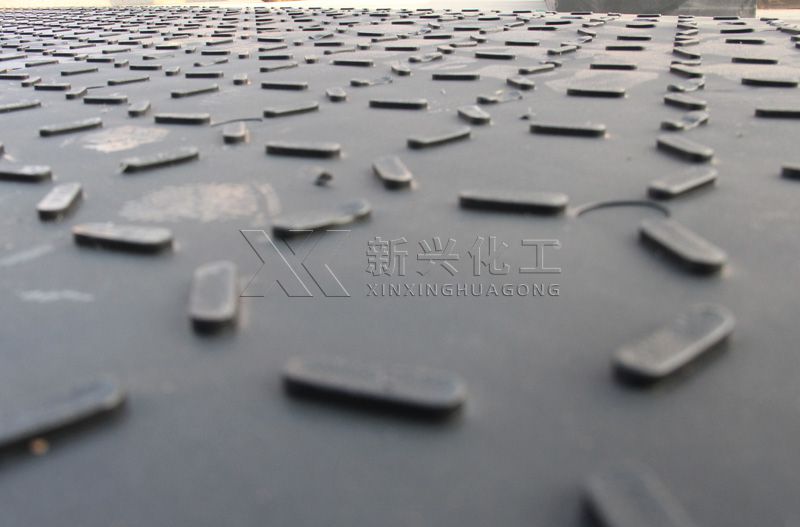
I first remove loose soil and aggregate with a low-impact method before applying water. For heavy clay, I let the material soften with water rather than striking the panel with metal tools. I then wash the upper surface, underside, cleats, connector openings, and lifting points while checking for damage that may have been hidden by mud.
For oil, fuel, cement residue, or chemical contamination, I follow the material supplier’s cleaning instructions and the site’s environmental procedure. I do not assume that a detergent safe for HDPE is also suitable for rubber, painted plywood, treated timber, or composite laminates. After cleaning, I inspect the mat while it is wet and again after drying because fine cracks, swelling, and delamination may become easier to identify during the second check.
Ultraviolet exposure, heat, freezing conditions, standing water, repeated wetting and drying, and abrasive soil can all reduce temporary ground mats lifespan. HDPE and composite mats generally tolerate outdoor moisture well, but prolonged sunlight can still affect some formulations and colors. I reduce exposure by storing mats under cover and avoiding long-term outdoor stockpiles without protective sheeting that allows ventilation.
Drainage is equally important. Standing water can freeze, soften the subgrade, promote biological growth, corrode hardware, and increase slipping risk during installation. On sites using fuels, solvents, acids, alkalis, or aggressive cleaning agents, I identify compatibility requirements before deployment and isolate contaminated mats until they have been assessed.
I rotate mats in high-traffic lanes so that the same panels do not receive every axle load, turning movement, and impact. For example, I can move the most heavily loaded units to lower-traffic areas during planned route changes, provided their inspection status remains acceptable. Rotation does not correct structural damage, but it helps equalize surface wear and extends the useful life of a complete inventory.
Protective underlays can reduce abrasion and soil contamination when the ground contains sharp rock, broken concrete, roots, or other concentrated contact points. Geotextiles may also reduce soil mixing and improve removal efficiency, while drainage layers can limit pumping and rut formation. I select underlays based on the ground condition rather than placing them automatically, because an unsuitable layer can reduce friction or create instability.
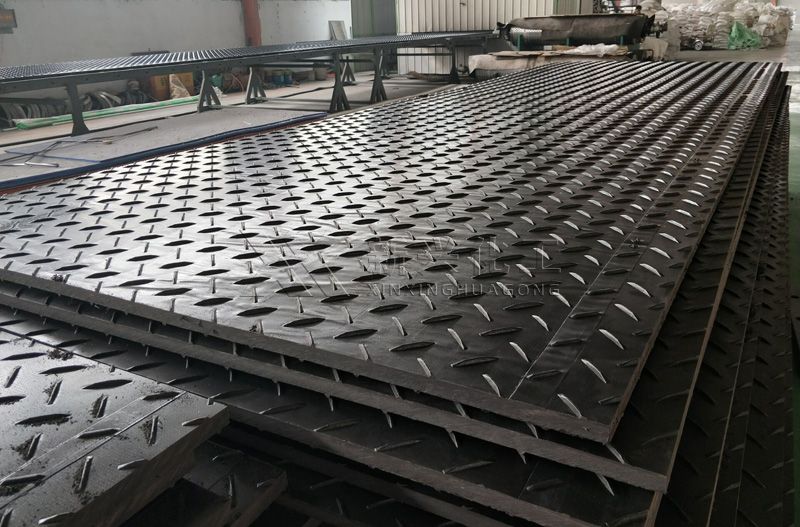
I clean and inspect every mat before it enters storage, then separate serviceable, downgraded, repairable, and rejected units. I store mats flat on evenly spaced supports, with enough support to prevent long-term sagging. If vertical storage is necessary, I use a controlled rack system that prevents leaning, edge deformation, and uncontrolled sliding.
The storage area should be shaded, dry, ventilated, and away from standing water, direct sunlight, fuels, solvents, sharp scrap, and heat sources. I avoid placing heavy equipment on top of stacked mats because point loads can warp the upper panels. Each stack should have an identification label showing mat type, quantity, inspection date, and any load or application restriction.
For reusable construction site access mats, I review stored inventory at least quarterly and before the next deployment season. I check for warping, brittleness, insect damage in timber products, corrosion of hardware, cracked connectors, moisture accumulation, and UV discoloration. Mats stored for several months should be rotated within the stack when practical so that one face is not exposed continuously to the same pressure or environmental condition.
Service life varies with material formulation, thickness, load, terrain, cleaning, and handling. The following ranges are planning estimates rather than guarantees, and the manufacturer’s technical data and inspection results control the final decision.
| Mat type | Typical planning range under managed use | Main causes of early replacement |
|---|---|---|
| HDPE or composite | Approximately 5–15 years | Overload, severe UV exposure, sharp subgrade, cracking, connector damage |
| Timber | Approximately 1–5 years | Rot, splitting, moisture, crushing, insect damage, repeated dragging |
| Plywood | Several months to 3 years | Swelling, delamination, edge breakdown, trapped moisture, overload |
| Rubber | Approximately 3–10 years | Oil or chemical exposure, tearing, compression set, UV and ozone damage |
| Lightweight turf mats | Approximately 1–3 years | Excessive vehicle loading, cleat wear, tearing, heat, repeated folding |
A mat that looks worn is not automatically unsafe, and a visually clean mat is not automatically suitable for heavy loading. I consider the remaining application, known damage, material type, load requirement, and inspection history together. A downgraded HDPE panel may be suitable for pedestrians or light landscaping work, while the same panel may be unsuitable for cranes, loaded trucks, or repeated turning traffic.
I repair a mat only when the repair method is approved for that material and restores stable contact, connection, and intended use. I reassign a mat to lighter work when the damage is cosmetic or limited to noncritical surface wear, but I document the new restriction clearly. I never reassign a panel with a structural crack, broken lifting point, unstable deformation, exposed reinforcement, or severe delamination.
Replacement is appropriate when repair costs approach the replacement value, when the mat repeatedly fails inspection, or when its remaining performance cannot be verified. I also replace mats that create trip hazards, cannot maintain safe connections, contaminate a work area, or no longer meet the project’s load distribution requirements. This decision protects workers, equipment, surfaces, and the remaining mat inventory.
For a small contractor, I recommend a simple system: number each mat, use a one-page inspection checklist, clean mats after every project, and photograph any damage before storage. For a large fleet, I add digital inventory records, inspection history, repair status, route-specific assignments, and replacement-cost tracking. The goal is to know which mats are available, which application each mat can support, and when the next inspection is due.
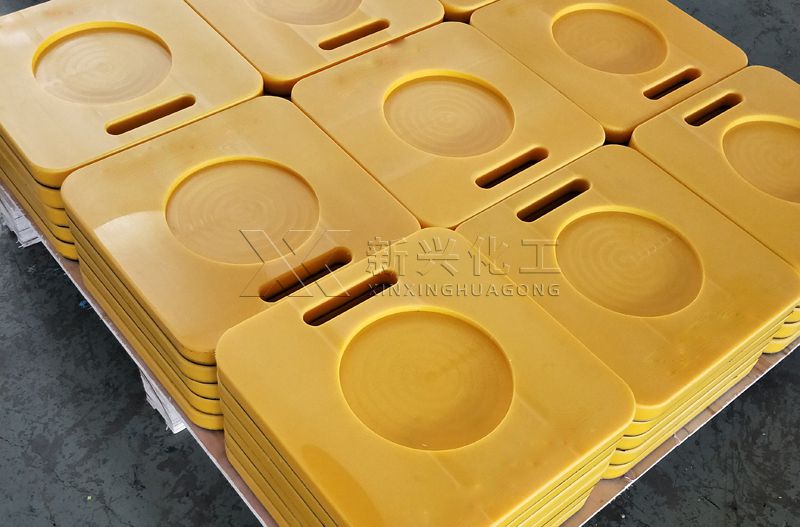
When reviewing suppliers such as XINXINGHUAGONG, I compare material type, dimensions, thickness, connection design, stated load capacity, lifting method, cleaning requirements, repair guidance, and storage recommendations. I also ask whether the supplier provides technical drawings, application guidance, replacement connectors, and documentation for repeated use. A supplier’s product range may include polyethylene ground mats, mobile roadway systems, outrigger pads, and other ground protection products, but each product still requires a project-specific load and terrain assessment.
To extend the lifespan of your temporary ground mats, I recommend controlling the full service cycle: select the correct material, match the load rating to actual equipment, prepare the terrain, install without damaging edges or connectors, clean after use, inspect before redeployment, rotate high-traffic units, and store mats flat in a protected area. These actions address the main causes of early failure, including overload, dragging, sharp subgrade, trapped moisture, chemical exposure, UV radiation, and uncontrolled traffic.
My next step would be to create a mat register with identification numbers, material type, dimensions, load limits, inspection status, and project assignment. I would then apply the inspection scorecard at installation, during high-risk operations, after severe weather, and before storage. With documented maintenance, damaged mats can be repaired or reassigned safely, while panels that no longer meet structural or load requirements can be removed before they create a larger operational problem.
Established in 1989,located in Qingdao city of Shandong province, Shandong Ningjin Xinxing Chemical Co.,LTD. is the most professional manufacture of engineering plastics and the only manufacturer who has complete MATS system in China.
Phone
+86 189 0640 6469
Location
Liaohe Road, Ningjin Industrial Zone, Dezhou City, Shandong Province, China.
Copyright © Shandong Ningjin Xinxing Chemical Co., Ltd. All Rights Reserved |
Sitemap
| Powered by