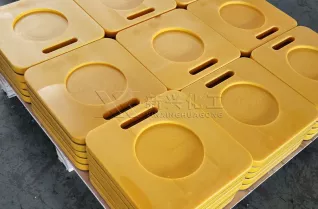
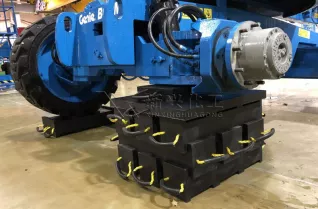
In large-scale construction, oil & gas operations, renewable energy projects, and infrastructure development, ground stability and access safety are critical factors that directly affect project efficiency, equipment safety, and overall costs.
Heavy duty composite mats have become one of the most reliable and cost-effective solutions for creating temporary access roads, work platforms, and ground protection systems in demanding environments.
This guide will help you fully understand:
What heavy duty composite mats are
How they work
Key applications
Advantages over traditional materials
How to choose the right composite mat for your project
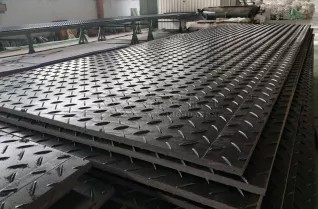
Heavy duty composite mats are high-performance ground protection panels made from engineered composite materials such as:
High-density polyethylene (HDPE)
Glass fiber reinforced composites (GFRP)
Polymer blends
Hybrid reinforced plastics
They are designed to distribute heavy loads, prevent ground damage, and create stable temporary surfaces for heavy machinery and vehicles.
Unlike traditional timber mats or steel plates, composite mats are:
Lighter
Stronger for their weight
Corrosion resistant
Reusable for hundreds of cycles
In real-world job sites, poor ground conditions cause:
Equipment sinking or tipping
Project delays
Higher maintenance costs
Environmental damage
Safety risks for workers
Heavy duty composite mats solve these problems by:
Spreading axle loads
Stabilizing soft or uneven terrain
Creating safe access routes
Protecting sensitive surfaces
They are now standard equipment in modern industrial projects.
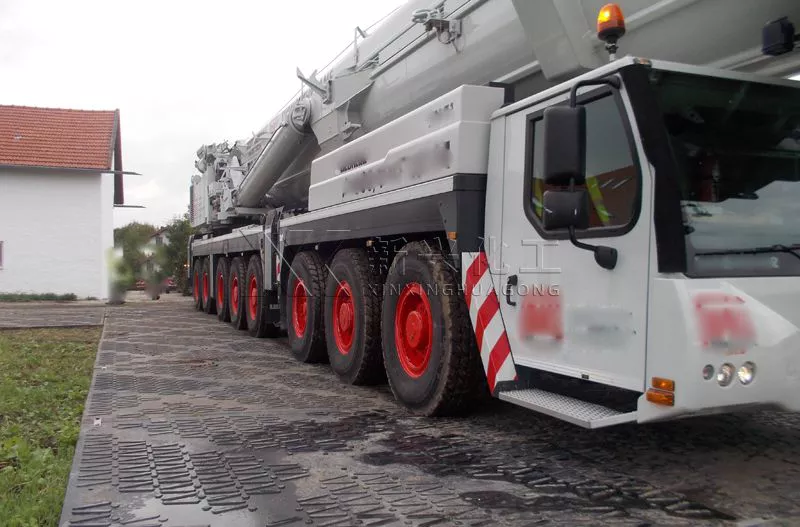
Construction & Infrastructure
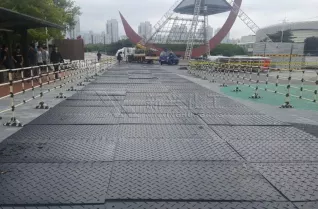
Temporary access roads
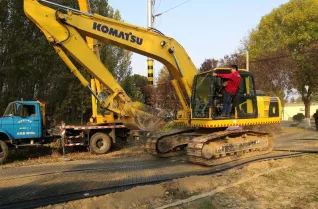
Crane pads and outriggers
Excavation support platforms
Utility installation sites
Oil & Gas Industry
Drilling pads
Rig access roads
Pipeline construction
Remote site mobility
Renewable Energy
Wind farm installation roads
Solar plant maintenance paths
Heavy turbine transport routes
Mining & Quarry
Haul roads
Equipment staging areas
Ground reinforcement for loaders and dump trucks
Events & Urban Projects
Emergency vehicle access
Festival flooring
Temporary parking areas
Urban landscaping protection
Compared to Timber Mats
Traditional timber mats:
Absorb moisture
Rot over time
Crack under repeated loads
Heavy to transport
Limited lifespan
Composite mats:
Waterproof
No rot or decay
Consistent load performance
5–10x longer service life
Lower long-term cost
Compared to Steel Plates
Steel plates:
Extremely heavy
Expensive logistics
Corrosion issues
Slippery surfaces
High safety risks during handling
Composite mats:
60–80% lighter
Easy manual handling
Anti-slip surfaces
No rust
Faster installation
1. High Load Bearing Capacity
Engineered internal structures allow composite mats to handle:
20–150+ tons per axle
Cranes, excavators, trucks, rigs
2. Lightweight & Easy Handling
Most composite mats weigh:
30–70% less than timber or steel
This reduces:
Transport cost
Installation time
Labor requirements
3. Long Service Life
Composite mats can last:
10–20 years
Hundreds of deployment cycles
Minimal maintenance
4. All-Weather Performance
They perform reliably in:
Mud
Sand
Snow
Wetland
Desert
Extreme temperatures
5. Environmental Protection
No soil contamination
Reusable
Recyclable materials
Protects vegetation and ecosystems
While specs vary by manufacturer, common parameters include:
Thickness: 40mm – 150mm
Size: 2m × 1m / 3m × 2m / custom
Load capacity: 30 – 150 tons
Material: HDPE / GFRP / polymer composite
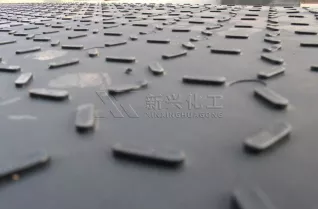
Surface: anti-slip texture / traction pattern
Connection: interlocking edges / bolt holes
Custom OEM solutions are widely available.
1. Ground Condition
Soft soil → thicker mats
Wetland → floating or reinforced mats
Hard surface → thinner protection mats
2. Equipment Load
Consider:
Vehicle weight
Axle load
Static vs dynamic load
3. Project Duration
Short-term → standard mats
Long-term → reinforced heavy duty models
4. Climate Environment
Cold region → low-temperature resistant materials
Desert → UV stabilized materials
5. Installation Method
Manual handling → lightweight mats
Crane installation → larger reinforced panels
Professional manufacturers provide:
Custom dimensions
Logo branding
Color options
Special edge connectors
Anti-slip surface design
Load engineering calculation
This makes composite mats ideal for:
Rental companies
Engineering contractors
EPC companies
Government projects
Although initial purchase cost is higher than timber, total cost of ownership is significantly lower:
3–5x longer lifespan
Lower transport cost
No replacement frequency
Reduced labor
Lower risk of accidents
In most heavy projects, composite mats reduce overall access road costs by 30–60% over lifecycle.
Composite mats are extremely popular in rental markets because:
High durability
Low maintenance
High utilization rate
Strong resale value
Easy cleaning
They are one of the highest ROI products in industrial rental portfolios.
With global trends:
Carbon reduction
Infrastructure expansion
Renewable energy growth
Environmental regulations
Heavy duty composite mats are replacing:
Timber mats
Steel plates
Concrete slabs
They are becoming the standard solution for temporary ground engineering worldwide.
A qualified supplier should offer:
Material certification
Load testing reports
OEM & ODM service
International export experience
Engineering support
After-sales service
Choosing the right manufacturer ensures:
Safety compliance
Long-term performance
Lower total project risk
Heavy duty composite mats are no longer optional — they are essential infrastructure tools for modern engineering projects.
They combine:
Strength
Durability
Flexibility
Environmental responsibility
Whether you are in construction, energy, mining, or industrial logistics, investing in composite ground protection systems is one of the smartest decisions for long-term operational efficiency and safety.

Established in 1989,located in Qingdao city of Shandong province, Shandong Ningjin Xinxing Chemical Co.,LTD. is the most professional manufacture of engineering plastics and the only manufacturer who has complete MATS system in China.
Phone
+86 189 0640 6469
Location
Liaohe Road, Ningjin Industrial Zone, Dezhou City, Shandong Province, China.
Copyright © Shandong Ningjin Xinxing Chemical Co., Ltd. All Rights Reserved |
Sitemap
| Powered by